The Great Wildebeest Migration is a continuous, clockwise journey spanning 3,000 km, undertaken by over 1.5 million wildebeest, zebra, and gazelle as they traverse from the Serengeti National Park in Tanzania to the Masai Mara in Kenya. Guided by seasonal rains, herds calve in the southern regions from January to March, migrate northward from April to June, traverse the Mara River between July and October, and subsequently return.
The Great Wildebeest Migration represents a highly anticipated experience for wildlife and nature enthusiasts, characterized by the continuous circular movement of over a million animals within the Serengeti-Mara ecosystem.
The continuous migration of wildebeest, accompanied by various other animals, adheres to a long-standing routine in pursuit of grass and water. Following calving in the southern region of Tanzania’s Serengeti close to the Ngorongoro Conservation Area, the animals embark on a journey through the Serengeti National Park, moving in a clockwise direction towards the Maasai Mara National Reserve in Kenya, before making their return towards the end of the year.
Throughout the journey, intense drama consistently unfolds, with numerous animals falling prey to predators while countless others are born, ensuring the continuity of their populations and maintaining the natural process of life.
The Annual Progression of the Great Wildebeest Migration
The Great Migration represents the most significant movement of animal herds globally. Indeed, with densities reaching up to 1,000 animals per km², the impressive herds of wildebeest are visible from space.
The statistics are remarkable: more than 1.2 million wildebeest and 300,000 zebra, along with topi and various gazelle species, traverse the Serengeti-Mara ecosystem in a continuous cycle in pursuit of nutritious grass and water. Driven by survival instincts, each wildebeest traverses 800 to 1,000 kilometers on its distinct journey along traditional migration paths.

Formidable predators such as lions, leopards, cheetahs, hyenas, wild dogs, and crocodiles ensure that only the most resilient endure in this remarkable natural event, often referred to as ‘the greatest spectacle on Earth.’
The Wildebeest Migration Route moves the animals from the Ngorongoro Conservation Area (excluding the Crater) in the southern Serengeti region of Tanzania, through the Serengeti, and into the Maasai Mara in Kenya, before returning. The journey is riddled with risks: young calves are captured by predators, the slow are taken down by prides of lions, courageous animals sustain injuries on steep riverbanks, crocodiles claim their portion of the lazy ones, and the weak and fatigued succumb to drowning.
The three primary categories of migrant grazers exhibit unique feeding behaviors that contribute to the stable functioning of the plains ecosystem. First to arrive are the zebras, who graze on the tallest, coarsest grasses. Wildebeest proceed to graze on the shorter, fresher shoots that emerge subsequently. Ultimately, Thomson’s gazelles approach, grazing on the last of the delicate grasses and herbs near the ground. The grazing succession indicates that each species generally remains with its own group, exhibiting only minimal overlap in their ranges as they progress along the migration route.
The Factors Behind the Great Wildebeest Migration
The mechanisms by which wildebeest determine their migratory paths remain uncertain; however, it is widely accepted that their movements are largely influenced by climatic conditions, specifically their pursuit of rainfall and subsequent growth of fresh grass. Although scientific evidence is lacking, certain experts suggest that animals may respond to distant lightning and thunderstorms. There have been suggestions that wildebeest possess the ability to detect rain from distances exceeding 50 kilometers. Explore further to gain a comprehensive understanding of the factors driving the wildebeest migration, an extraordinary natural event.
When and Where to Witness the Great Migration
Tracing the Path of the Heard
The migration route initiates in the Ngorongoro Conservation Area of Tanzania, progresses northwards through the Serengeti, traverses into Kenya’s Maasai Mara, and afterward returns. Despite the fact that the Great Wildebeest Migration is a year-round, continuous journey, its rhythm is wholly determined by the rains, which have become more unpredictable. The monthly pattern serves as a guideline, recognizing that seasonal variations may occur, potentially disrupting the wildebeest calendar. This is the reason it is crucial to allocate an adequate amount of time for a safari. The Best time to observe the great wildebeest migration is frequently associated with two significant events: the dramatic Mara River crossings, which typically take place between late July and early September, and the calving season in the southern Serengeti, which occurs from late December to mid-March. During this period, thousands of young wildebeest are born in a matter of weeks.
What to Expect on a Migration Safari
Experiencing the Great Migration is an event filled with unpredictability, excitement, and profound emotion. Look forward to early mornings, thrilling game drives, and experiences that inspire curiosity. Each migration safari offers a unique experience, and the unpredictability of nature adds to its allure. Due to the herds’ movement in relation to rainfall patterns, sightings cannot be assured.
One might observe herds extending towards the horizon, a river traversing at dusk, or a leopard stealthily navigating the periphery of the chaotic scene. Even in more subdued instances, a Great Migration safari captivates with its vastness and intensity.
Combining a Migration Safari with Other Destinations
A lot of tourists choose to combine the Great Migration with other famous things to do in East Africa. Gorilla trekking in Uganda, Gorilla trekking in Rwanda, relaxation on the beaches of Zanzibar, or discovering the Ngorongoro Crater are among the remarkable options to consider for your safari journey in Africa.
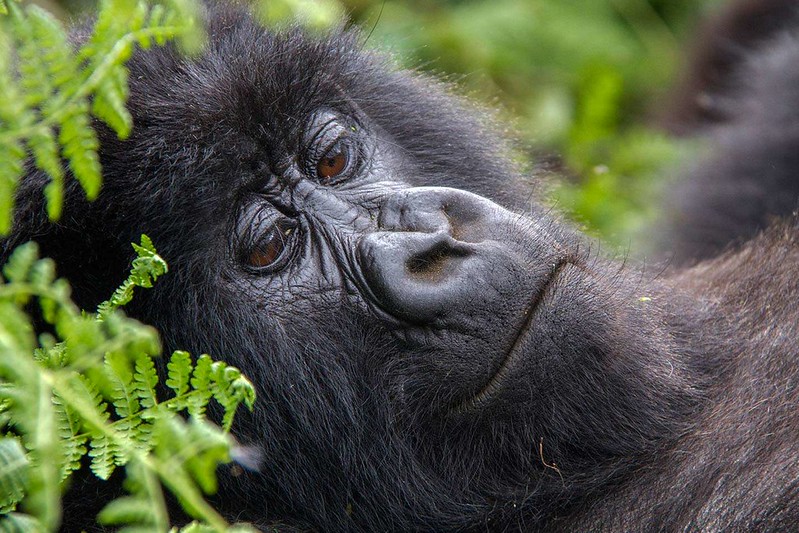
Gorilla Safaris’s extensive safari expertise enables us to provide genuine, immersive, and exceptional experiences that contribute positively to Africa’s vital wilderness regions.
Discover additional experiences or reach out to us to begin organizing your ideal safari.