Six Waterfalls in Four Days
The Kilembe Trail’s waterfalls are not the incidental features of a mountain trekking expeditions. They are its architecture. The Kilembe route is designed to encounter them at specific moments in the day’s walking — as rest stops, as landmarks, as emotional high points in a narrative that the forest constructs around the moving trekker. Enock’s Falls — named for one of the Kilembe Trail’s founding Bakonzo guides, a multi-tiered cascade of cold, clear mountain water over dark rock in a bamboo clearing — is encountered approximately 200 metres below Sine Camp on the Day 1 ascent. The falls at the base of the Kilembe Valley are audible from the ridge as you approach the camp, their sound rising through the forest as a continuous low thunder that defines the first evening’s acoustic environment. On Day 2, the trail to Samalira Camp passes Samalira Falls — a series of calming, layered cascades in the heather-Rapanea zone, framed by giant Lobelia plants whose spike-leaved architecture makes the whole composition look like a botanical garden designed by someone with no obligation to conventional aesthetics. Further cascades appear in the upper valley above Samalira Camp on Day 3, where the morning exploration walk follows the river system upward through a landscape of moss-covered rocks, Erica forest, and the particular quality of light that high-altitude waterfall spray produces on a clear morning. On the Day 4 descent, Enock’s Falls is encountered again from above — a completely different visual and acoustic experience from the ascent, and a fitting farewell to a trail that has been speaking in water for four days.
The Kilembe Trail — The Rwenzori’s Southern Forest System
The Kilembe Trail enters Rwenzori Mountains National Park from the south, at the former copper mining settlement of Kilembe approximately 12 Kilometres from Kasese town. It is the Rwenzori’s less frequently visited trail system — quieter than the Central Circuit’s Nyakalengija entrance, with a more intimate and more dramatic character in its lower sections, and a waterfall density that the Central Circuit’s Mubuku Valley does not match. The trail was developed and formalized in part through the work of local Bakonzo guides whose generations of mountain knowledge shaped its route, and walking it today is walking in the footsteps of people whose relationship with this specific forest extends back further than any map of the park. The Waterfalls Hike programme uses the Kilembe Trail’s finest lower and middle sections — reaching Samalira Camp at 3,170 metres as its highest overnight point — without requiring the full elevation commitment of the Mutinda Lookout or Margherita Peak Rwenzori trekking expeditions.
The Rwenzori Mountain Ranges
Understanding the Rwenzori’s six major massifs gives context to what you see from the higher sections of the Waterfalls Hike. Mount Stanley (5,109 m) — Africa’s third highest summit, carrying Margherita, Alexandra, and Albert peaks — is occasionally visible from the upper Samalira zone on clear mornings. Mount Speke (4,890 m) with Vittorio Emanuele Peak, Mount Baker (4,843 m) with Edward Peak, Mount Emin (4,798 m), Mount Gessi (4,715 m), and Mount Luigi di Savoia (4,627 m) compose the range’s remaining massifs, their permanent cloud cover making each clear glimpse feel genuinely earned.
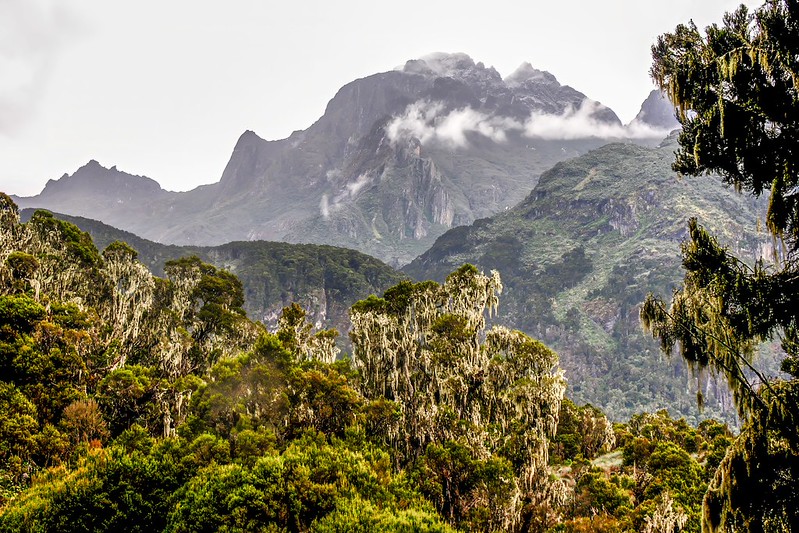
The Portal Peaks (4,391 m) frame the Kilembe Trail corridor to the south. These are the mountains above the waterfalls — the context in which every cascade you encounter on the 4 days Rwenzori Waterfalls Hike/trek to 6 Water falls flows downward from permanent ice through ancient forest to the valley below on the Kilembe trail in Rwenzori Mountains National Park
Getting to the Kilembe Trailhead
From Kampala or Entebbe
The Kyanjuki Trekkers Hostel and UWA rangers post — the Kilembe Trail’s official starting point at 1,727 metres — is located approximately 12 kilometres south of Kasese town in western Uganda, roughly 370 kilometres west of Kampala on the main western highway. The drive from Kampala or Entebbe takes five to six hours through the highlands of southwestern Uganda and the rift valley escarpment above Kasese. Your dedicated Gorilla Safaris vehicle handles the complete transfer in comfort, with a planned stop en route. Most guests overnight in Kasese or Kilembe the night before Day 1, arriving at the trailhead rested and ready rather than road-worn.
By Domestic Flight to Kasese
Uganda Airlines operates domestic flights from Entebbe International Airport to Kasese Aerodrome, reducing the journey to under an hour in the air.
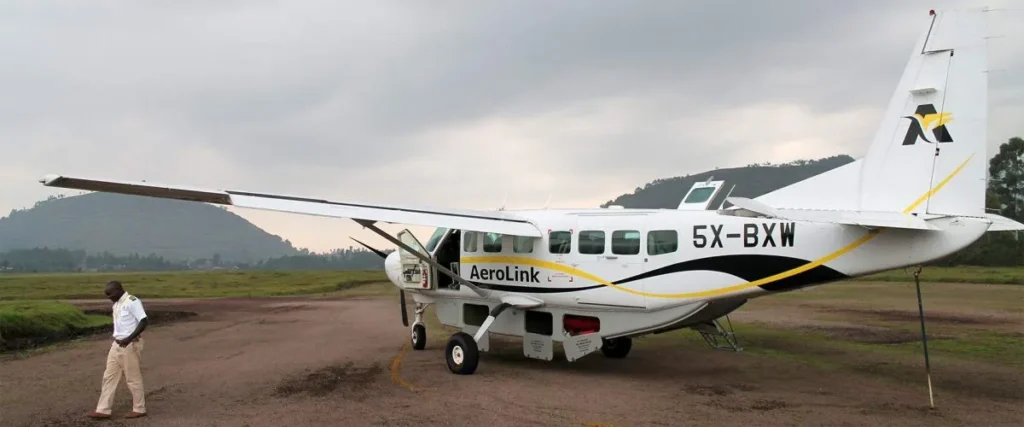
Your dedicated vehicle meets the flight and completes the short transfer to Kilembe. This option is particularly practical for guests combining the Waterfalls Hike with a Rwanda gorilla safari — flying from Kigali to Entebbe and then directly to Kasese removes the road component entirely and gives the programme the maximum possible time on the mountain.
Combining with Bwindi and Queen Elizabeth
The most natural and most popular combination pairs the 4-Day Waterfalls Hike with gorilla trekking in Bwindi Impenetrable National Park. Bwindi’s main sectors at Buhoma and Rushaga are approximately three hours from Kasese by road through the spectacular Queen Elizabeth National Park corridor. The transfer day between the two experiences is frequently extended with a morning game drive or a Kazinga Channel boat cruise in Queen Elizabeth — an optional addition that our team incorporates seamlessly into the itinerary. Your dedicated vehicle and driver manage every transfer between destinations without any logistical requirement from the guest.
4-Day Rwenzori Waterfalls Hike — Itinerary at a Glance
Four days on the Kilembe Trail’s waterfall route. The full narrative follows below.
- Day 1 — Kilembe to Sine Camp: Transfer to Kyanjuki UWA rangers post | Trail briefing | Afro-montane forest ascent | Blue monkeys, Colobus and endemic birds | Valley floor cascades | Enock’s Falls (200 m from camp) | Overnight at Sine Camp (2,596 m)
- Day 2 — Sine Camp to Samalira Camp via the Waterfall Valley: Bamboo zone ascent | Kalalama rest stop (3,134 m) | Samalira Falls in the heather zone | Giant Lobelia garden | Waterfall cascades along the Samalira river | Overnight at Samalira Camp (3,170 m)
- Day 3 — Waterfall Exploration Day — Above Samalira Camp: Morning walk above Samalira into upper waterfall zone | Upper valley cascades | Erica forest and giant Senecio | Endemic bird zone | Afternoon descent to Sine Camp | Second overnight at Sine Camp (2,596 m)
- Day 4 — Sine Camp — Full Descent to Kilembe Trailhead: Morning forest birding | Full descent through bamboo and lower montane forest | Enock’s Falls revisited from above | Return to Kyanjuki trailhead | Trekking certificate | Onward transfer to Kasese
Total Distance: Approximately 30–35 km across all 4 days
Named Waterfalls: 6 or more, including Enock’s Falls and Samalira Falls series
Highest Point: Samalira Camp zone, approximately 3,170 m above sea level
Difficulty: Moderate — suitable for fit adults and children aged 10+; no technical mountaineering required
Trek Style: Fully private, guide-led, porter-supported — your pace, your programme
Day 1 — The Forest Receives You: Kilembe to Sine Camp (2,596 m)
The Briefing and the Beginning
The Kilembe Trail begins at the Kyanjuki Trekkers Hostel and the UWA rangers post at 1,727 metres — a compound at the park boundary where the cultivated foothills of the copper belt give way without ceremony to the protected forest above. Your private guide meets the group here for the permit check, pack weight confirmation, and trail briefing. The permits and fees have been arranged in advance by your Gorilla Safaris team; the briefing focuses on what matters: the day’s route, the waterfall encounters ahead, the weather pattern to anticipate, and the pace calibrated to the group’s fitness. The UWA ranger escort who accompanies the the guests for all four days is introduced. And then the 2.2-kilometre approach walk to the forest proper begins, the first sound of moving water already audible somewhere ahead in the valley.
The Lower Forest — The Trail’s Acoustic Architecture
The Kilembe Trail’s lower section moves through the valley floor before climbing steadily into the Afro-montane forest zone — the Rwenzori’s richest and most biologically complex ecological layer. This is where the trail’s waterfall-centred character immediately declares itself: the valley floor is cut by multiple small streams, each one running clear and cold from the slopes above, each one crossed on log bridges or stepping stones with the sound of the water arriving before the crossing is visible. The forest absorbs and redirects this sound in a way that makes precise location difficult but general orientation toward water constant — the trail is always moving in relationship to running water, either toward it, alongside it, or away from it toward the next encounter.
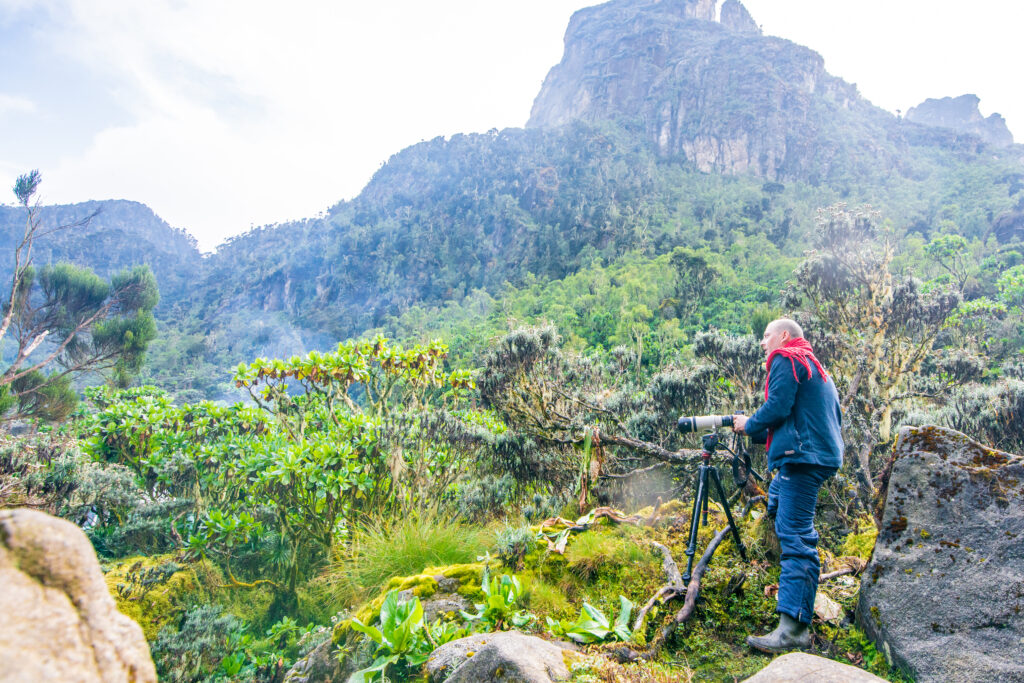
The canopy overhead is the Rwenzori lower forest at its most complex: giant Podocarpus and Symphonia trees providing the upper structure, tree ferns and Macaranga filling the mid-storey, and the forest floor upholstered in a deep litter of leaves, mosses, and fungi that makes the whole environment feel cushioned and alive from the ground up. Blue monkeys occupy the mid-canopy in the reliable, composed manner of animals entirely accustomed to human passage and entirely unimpressed by it. Black-and-white Colobus monkeys move through the upper branches in family groups whose acrobatic range of movement produces a volume of sound entirely disproportionate to their grace. L’Hoest’s monkey — rarer, shyer, of specific cultural significance to the Bakonzo people whose Omusinga considers it under royal protection — inhabits the deeper sections of this forest and is encountered in the quality of silence that only patience can produce.
The Valley Floor Cascades
Approximately two Kilometres into the forest, the trail begins to pass the first of the 4 Days Rwenzori Waterfalls Hike/trek unnamed lower-valley cascades — small, clear falls where the streams that drain the forest slopes above tumble over rock outcrops before continuing toward the valley floor. These lower cascades set the auditory context for the 4-day Rwenzori Waterfalls Hike/trek: the sound of water over rock at close range, the particular quality of cold spray in a forest environment where temperature already drops with altitude, and the visual grammar of dark rock and vivid moss that all of the Kilembe Trail’s waterfall features share. Your guide identifies each one, explains its relationship to the drainage system above, and — if the group wants to pause — stops without comment for as long as the moment warrants.
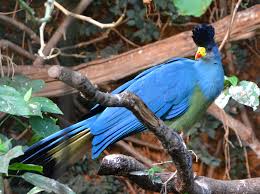
The Rwenzori Turaco is the forest’s most dramatic presence during this section of the ascent — heard before it is seen, its deep resonant croaking carrying through the forest in a register that the cicadas cannot mask, and then briefly visible in a flash of crimson wing-panel that produces the particular arrested attention of genuinely vivid color in a natural context. Your guide knows where the Turacos are most reliably found on this section of trail and adjusts the pace to allow observation without requiring urgency about the distance still ahead.
Enock’s Falls — The Trail’s First Named Waterfall
At approximately 200 metres below Sine Camp — close enough that the falls are audible from the camp on still evenings — the trail approaches Enock’s Falls: the Kilembe Trail’s most celebrated single waterfall, named for one of its founding Bakonzo guides, and the feature that most definitively establishes the 4 Day’s Rwenzori trekking waterfall-centered character. The cascade drops over dark, moss-covered rock in multiple tiers, its pool enclosed by the beginning of the bamboo zone at the top and the lower forest’s vegetation at the sides, and framed by hanging vines and the emerald green of the spray zone’s intensely saturated moss. The light at Enock’s Falls is a specific quality of this enclosed space — silver-green, diffuse, making the water appear almost luminous against the dark rock behind it.
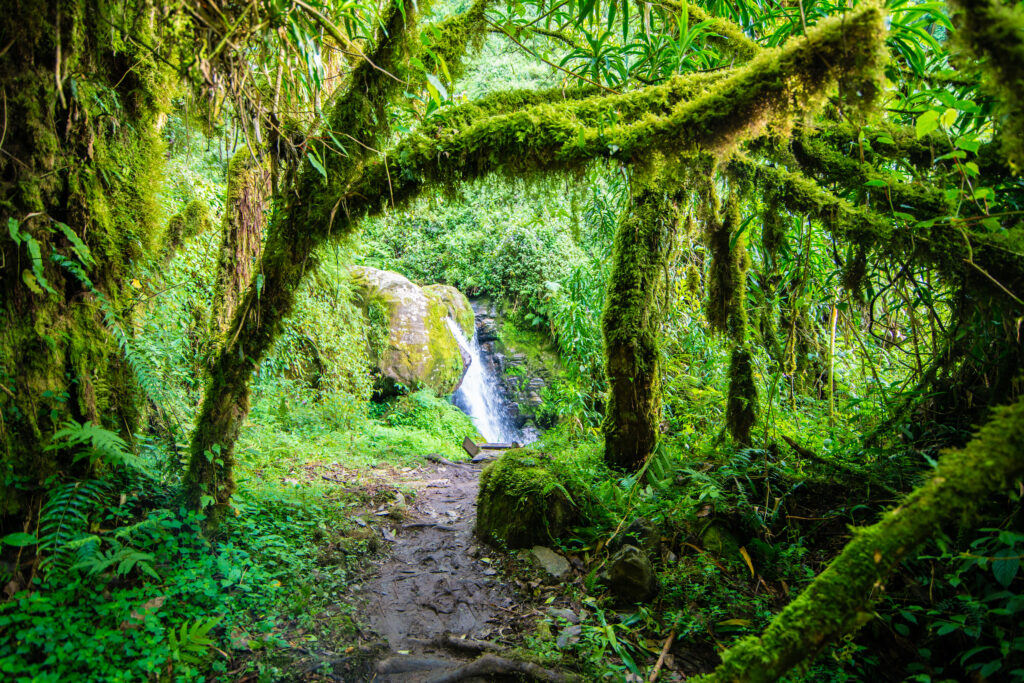
This is where the day’s trail lunch is taken: food prepared by the cook team who have moved ahead to establish Sine Camp, the falls providing the meal’s backdrop and soundtrack. The cold of the pool’s spray is welcome after the day’s sustained ascent. The sound of the water is the sound of the trail’s organizing principle, made emphatic and concrete. And the 200 meters remaining to Sine Camp, walked in the late afternoon light through the lower bamboo zone, carries the particular quality of arrival that only a waterfall en route can provide.
Evening at Sine Camp
Sine Camp at 2,596 meters sits on a narrow ridge in the lower Erica forest, its wooden huts positioned between tall forest trees with views down the Kilembe Valley to the south and the sound of the falls below audible from the camp clearing on still evenings. The campfire — if conditions and regulations permit — draws the group together in the particular ease of people who have shared a full day of physical effort through extraordinary country: the guide explaining the next day’s waterfall route over dinner, the porter team settling into their camp routine with the quiet efficiency of people who have done this many times in this specific place, and the sound of the mountain at night — water, night jars, and the occasional rustle of forest life in the Erica scrub above the huts.
Overnight: Sine Camp (2,596 m) — twin-share wooden mountain huts, sleeping mats and blankets. Hot dinner and full breakfast prepared by your dedicated camp cook.
Day 2 — Into the Waterfall Valley: Sine Camp to Samalira Camp (3,170 m)
The Bamboo Ascent
Day 2 of the 4 days Rwenzori Waterfalls Hike begins with the trail’s most physically demanding section: the bamboo zone ascent above Sine Camp, where the forest character shifts from the enclosed, complex world of the lower montane zone to the hollow, rhythmic world of high-altitude bamboo — steep, stepped, and in wet conditions, requiring the full attention of every boot on the 4 days Rwenzori Waterfalls Hike/Trek. Trekking poles are essential from this point forward. The guide sets the pace with the disciplined calm of someone who knows that the Samalira Falls are ahead and that arriving at them with energy rather than exhaustion is part of what makes the encounter with them worthwhile.
The bamboo zone covers approximately 1.8 kilometers with 538 meters of elevation gain to the Kalalama rest stop at 3,134 meters — the threshold of the heather-Rapanea zone and the point where the first open views of the day appear: the Kilembe Valley below, the forested ridgelines above, and on clear mornings, glimpses of the higher peaks visible through gaps in the canopy. Tea is brewed at Kalalama. The group rests properly. And then the trail continues upward into the heather zone, where the day’s waterfall encounters begin in earnest.
Samalira Falls — The Programme’s Most Beautiful Cascade
The Samalira Falls are the 4-Day Waterfalls Hike’s centrepiece feature — a series of layered cascades in the heather-Rapanea zone that appear on the trail to Samalira Camp with a completeness of setting that the lower valley’s forest waterfalls, beautiful as they are, cannot match. The falls tumble through a section of valley where the vegetation character has shifted dramatically from the bamboo’s enclosed, rhythmic world to the more open, moss-saturated landscape of the Erica zone: giant Lobelia plants rising from the bog cushions at the falls’ margins in their extraordinary spike-leaved architecture, the spray from the cascades creating a zone of permanent moisture that the moss and lichen colonise with the aggressive enthusiasm of organisms that have been waiting for exactly these conditions.
The giant Lobelia garden around Samalira Falls is one of the Kilembe Trail’s most photographed and most genuinely extraordinary natural compositions: waterfall, Lobelia, and the particular quality of light at 3,000 meters where cloud moisture and equatorial sun combine to produce colours of a saturation that feels simultaneously natural and impossible. Your guide stops here for as long as the group wants — this is not a transit point but a destination, a place where the morning’s physical effort resolves into something that justifies it completely. Photographs are taken. The sound of the falls — calming rather than thunderous, a sustained musical note rather than a percussion event — is attended to properly, without hurry.
The Upper Valley Cascades and the Approach to Samalira Camp
Above Samalira Falls, the trail enters the river valley section that leads to Samalira Camp — a passage through the Erica forest where the river that feeds the falls runs alongside the trail in a continuous conversation of water over rock, moss-covered ledges, and small pools that form and dissolve with the volume of snowmelt from the slopes above. This section of trail is the 4 day’s Rwenzori Water Falls Trek most purely waterfall-rich: multiple cascades and chutes in the course of two to three kilometres, each one different from the last in scale, angle, and light. The guide identifies each one — some named locally by the Bakonzo, some simply features of the landscape — and the cumulative effect of so much water in so short a distance is a sensory saturation that defines the Waterfalls Hike’s most characteristic quality.
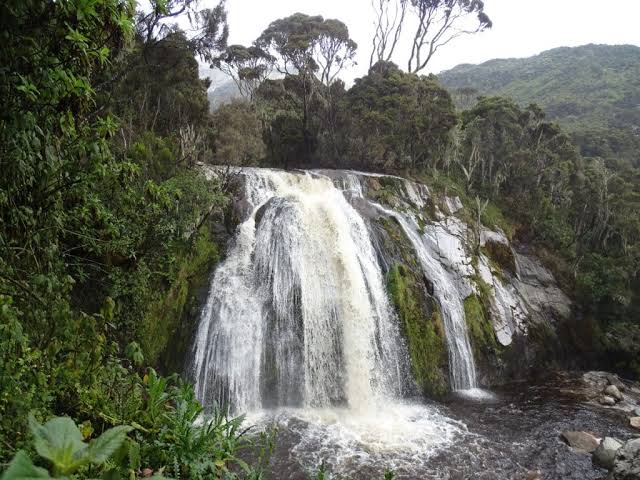
Samalira Camp at 3,170 metres sits near a small river with a waterfall visible from the camp clearing — a final cascade that provides the evening’s ambient sound from check-in through dinner and into the night. The camp’s wooden huts offer twin-share accommodation with sleeping mats and blankets. The temperature at 3,170 metres is significantly colder than at Sine Camp — down to 8°C or below by nightfall — and every warm layer in the pack comes out as soon as movement stops. The cook prepares a hot, substantial dinner. The guide leads a quiet post-dinner review of the Day 3 morning walk above the camp, where the upper waterfall zone and the Erica forest exploration safari itinerary will extend the day’s cascade encounters into the higher terrain. Sleep arrives easily at altitude after a day of sustained physical effort in extraordinary country.
Overnight: Samalira Camp (3,170 m) — twin-share mountain huts with sleeping mats and blankets. Hot dinner and full breakfast. Mountain river waterfall audible throughout the night.
Day 3 — The Upper Waterfall Zone: Samalira Morning Walk and Descent to Sine Camp
Dawn at Samalira — Water and Light
The morning at Samalira Camp above 3,000 metres carries a specific quality of cool, clear light that the lower camps cannot replicate. The waterfall near the camp is the first sound of the day — before the birds, before the cook’s activity, before the guide’s knock at the hut door. At these altitudes the Rwenzori’s endemic birds are concentrated and audible from before first light: the Rwenzori Turaco in the Erica scrub above the camp, the Strange Weaver in the heather canopy, the Rwenzori Nightjar’s churring call from overnight still fading as the dawn establishes itself. For guests with binoculars, the first hour of light at Samalira Camp is one of the finest birding periods available on any non-technical Kilembe Trail programme.
The Morning Walk — Into the Upper Waterfall System
The Day 3 of the 4 Days Waterfalls Hike/Trek’s morning walk ascends from Samalira Camp into the upper valley above the hut — the terrain where the Samalira river system has its origins in the snowmelt of the higher massifs and where the waterfalls encountered on the Day 2 ascent are joined by further cascades in the Erica forest zone above the camp. This section of the Kilembe Trail is the least frequently visited on the Waterfalls Hike programme — most trekking groups that reach Samalira Camp do so as a one-night transit point rather than a proper exploration base — and the four-day programme’s inclusion of a morning walk above camp is what distinguishes it from shorter alternatives and what provides the fullest possible engagement with the upper waterfall system.
The upper valley walk moves through the zone where giant Senecio plants begin to appear among the Erica forest — those extraordinary succulent trees of the Rwenzori’s higher altitudes, their rosettes of large leaves spiralling from thick central stems, their presence in a waterfall-rich valley creating a botanical composition that seems to belong to a world governed by different aesthetic rules than the one most visitors arrived from. The waterfalls in this zone are smaller than Samalira Falls but no less beautiful: cold, fast-moving water over ancient rock, moss-colonised surfaces at the cascade margins, and a quality of sound that changes register as each individual falls’ volume and angle shifts with the gradient of the slope.
Your guide identifies the flora and fauna of the upper walk with the ease of someone who has traversed this specific terrain in every season and whose knowledge of its natural history is both extensive and genuinely enthusiastic. The birds of the upper Erica zone — the Strange Weaver, the Rwenzori Hill Warbler, the Chubb’s Cisticola — are pointed out at every reliable perch and foraging location. The giant Lobelia plants on the bog margins above the camp are examined at leisure rather than passed in transit. And the waterfalls of the upper valley are given the time they deserve: this is not a tick-box list of features, but a morning’s genuine engagement with an environment that has taken millions of years to arrive at its current extraordinary expression.
The Afternoon Descent to Sine Camp
After the morning walk and lunch at Samalira Camp, the afternoon programme begins the return toward the lower mountain. The descent from Samalira Camp to Sine Camp reverses the Day 2 ascent, but at a pace and with an attention that the urgency of reaching the high camp could not allow on the way up. The Samalira Falls are revisited — from above on the descent, the upper structure of the cascade visible before the pool appears, the light at this time of day completely different from the morning encounter — and the Lobelia garden around them is given a second, slower look that the ascent’s forward momentum did not permit.
The descent through the heather-Rapanea zone and back into the bamboo corridor is accomplished in the mid-afternoon, the lower forest re-entered before the light fades. Sine Camp receives the group on its second visit with the particular quality of a known place: the same huts, the same ridge, the same view down the Kilembe Valley — but known now rather than new, and comfortable in the way that a camp becomes comfortable when the mountain it is set in has been walked for three days. The cook prepares the final hot dinner of the trekking expeditions. The guide sits at the camp table for a longer conversation than the ascent evenings permitted — about the mountain, the Bakonzo culture, the waterfall names and their origins, the stories that the forest contains for those who know where to look.
Second overnight: Sine Camp (2,596 m). Same accommodation as Night 1. Full dinner and breakfast included. Enock’s Falls audible from the camp clearing on still evenings.
Day 4 — The Forest Returns You: Sine Camp to Kilembe Trailhead
A Final Morning with the Birds
The fourth morning at Sine Camp begins early, the descent ahead long enough that the guide prefers the group moving before the mid-morning cloud builds in from the Congo Basin system to the west. But the first thirty minutes of the day belong to the camp clearing and the forest immediately around the huts: the Rwenzori Turaco in its morning foraging pattern, the blue monkeys in the Erica canopy above the camp, the sound of Enock’s Falls drifting up from below through the still air of the pre-movement morning. For guests with cameras, this is the programmers final wildlife photography window, and the guide ensures it is properly used before the packs are shouldered and the descent begins.
The Descent Through All the Zones
The trail from Sine Camp to the Kilembe trailhead reverses the full Day 1 ascent in a single sustained morning of downhill movement through bamboo, lower montane forest, and the valley floor. The bamboo zone on the descent requires the same careful footing as the ascent — the stepped trail surface, particularly in wet conditions, demanding consistent attention and trekking pole support — but the views open downward through the cane in a way that the upward-focused ascent could not access, revealing the valley below in long perspectives that the enclosure of the ascent concealed entirely.
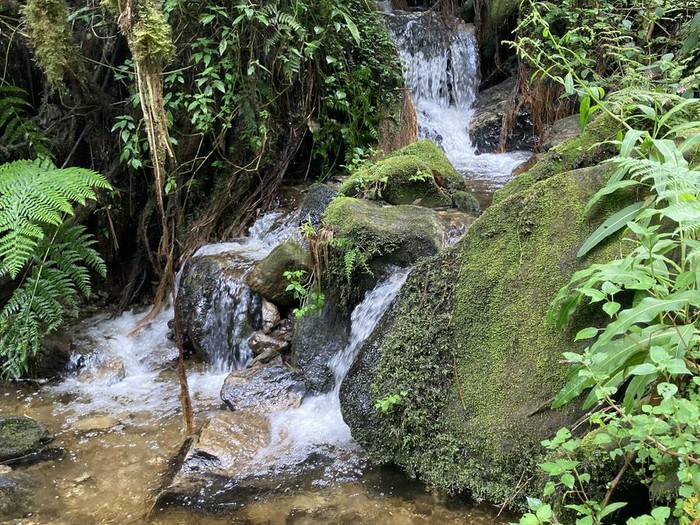
The lower montane forest on the descent is the same forest the group entered four days ago, but read with different eyes: the orchids on the familiar tree trunks noticed more completely, the stream crossings approached with the confidence of known terrain, and the cicadas — at full sustained volume as always — heard now as the forest’s permanent voice rather than the overwhelming novelty of first encounter. Blue monkeys in the same sections of canopy. The same family groups, or at least the same territories, the same composure. The same forest, doing what it has always done.
Enock’s Falls for the Last Time
The trail reaches Enock’s Falls on the descent from above — approached from the bamboo zone’s upper margin, the top of the cascade visible before the pool appears, the falls offering a completely different view from the ascent’s approach from below. Most groups stop here on the Day 4 descent for a final, longer rest than the Day 1 lunch permitted: boots off, feet in the cold pool water, the sound of the falls doing what it has been doing for the entire programme — the same cascade, the same rock, the same cold and the same beauty — but attended to now with the particular quality of a farewell to something that has been generous for four days and asks nothing in return.
Return to Kilembe and Onward
The Kyanjuki trailhead appears in the mid-morning as the forest opens to the park boundary and the cultivated foothills of the copper belt. The park register is signed. The UWA trekking certificates — issued to all guests completing a full Kilembe Trail programme — are presented with appropriate ceremony. Your dedicated vehicle is where it was promised to be, the cold box open, clean clothes available from the day bag, and the road back to Kasese clear and ready.
The afternoon and evening of Day 4 belong entirely to the wider itinerary. Kasese overnight. A drive toward Queen Elizabeth National Park for a game drive. North toward Murchison Falls. Or — for guests whose four days on the Waterfalls Hike followed their Bwindi gorilla trekking safari — the particular, complete satisfaction of an itinerary that has delivered the great apes of the forest and the waterfalls of the Mountains of the Moon in the same extraordinary week. Your Gorilla Safaris team manages every transition.
The Waterfalls of the Kilembe Trail — What You Will Encounter
Enock’s Falls — The Trail’s Most Beloved Cascade
Located approximately 200 metres below Sine Camp at around 2,400 metres on the Kilembe Trail, Enock’s Falls is a multi-tiered cascade of cold, clear mountain water over dark, moss-covered rock in a clearing at the boundary of the bamboo and lower montane forest zones. The falls are named for one of the Kilembe Trail’s founding Bakonzo guides — a man whose lifetime knowledge of this terrain shaped the route that subsequent trekkers have followed. Encountered on Day 1 (ascent approach and trail lunch stop), optionally on a Day 2 morning walk from Sine Camp before the Samalira ascent, and again on Day 4 (descent, from above), the falls offer three distinct visual and acoustic experiences across the programme. The pool below the main cascade is cold, clear, and framed by the bamboo zone vegetation in a composition that no photograph reliably captures and that most visitors describe as the single most beautiful thing they encounter in the lower forest.
Samalira Falls — The Programme’s High-Altitude Masterpiece
The Samalira Falls system in the heather-Rapanea zone above Kalalama Camp is the 4-Day Waterfalls Hike’s defining upper-mountain feature. The falls are a series of layered, calming cascades rather than a single dramatic drop — water moving through a sequence of ledges and pools in a valley framed by giant Lobelia plants, ancient Erica trees, and the particular quality of cloud moisture at 3,000 metres that saturates every moss surface to a depth and colour intensity that the lower forest cannot match. The Lobelia garden around Samalira Falls is a botanical composition of specific and memorable beauty: spike-leaved plants rising from the bog cushions at the waterfall margins in configurations that seem simultaneously random and curated. The falls are encountered on Day 2 (ascent) and Day 3 (descent), each time in different light and from a different direction.
The Valley Floor Cascades — The Forest’s Continuous Voice
Beyond the two principal named waterfalls, the Kilembe Trail to Samalira Camp passes more than four additional cascades and chutes of varying size, volume, and character. The valley floor cascades in the lower forest provide the programme’s first waterfall encounters — small, clear, cold, often audible before they are visible, crossing the trail in a series of log bridges and stepping stones that make the approach to each one a gentle anticipatory experience. The upper valley cascades above Samalira Camp — encountered on the Day 3 morning walk — are the programme’s most remote and least visited, their character shaped by the Erica forest and bog vegetation of the upper Kilembe zone rather than the enclosed bamboo and montane forest of the lower trail. The total waterfall count across four days is six named and several unnamed, making the Kilembe Trail’s Waterfalls Hike the most waterfall-dense short trekking programme in Rwenzori Mountains National Park.
Endemic Wildlife of the Kilembe Waterfall Trail
The Kilembe Trail’s waterfall route passes through two primary wildlife habitat zones, each with its own endemic assemblage. In the lower Afro-montane forest: blue monkeys and black-and-white Colobus monkeys in the canopy; L’Hoest’s monkey in the deeper sections; the Rwenzori Horned Chameleon in the understorey; and the Rwenzori Turaco, multiple endemic sunbirds, and various forest robins and warblers as the avifaunal highlights. In the bamboo and heather-Rapanea zones above Sine Camp: the Strange Weaver, Rwenzori Hill Warbler, Chubb’s Cisticola, and the Rwenzori Nightjar that defines the Samalira Camp evenings. Giant forest hog signs are common around both camps. Rwenzori Mountains National Park records 217 bird species in total, with over 70 Albertine Rift endemics. Your private guide is a trained naturalist for all four days of the programme.
Related Rwenzori Trekking Itineraries
The 4-Day Waterfalls Hike occupies a unique position in the Kilembe Trail Rwenzori trekking Expeditions range: it is the only excursionwhose main organizing theme is the waterfall experience rather than altitude, summit, or botanical zone. Understanding its relationship to adjacent excursion helps guests identify the version that best matches their particular interest and travel style.
The 2-Day Rwenzori Trek to Sine Camp and 3-Day Sine Camp Trek cover the lower Kilembe Trail section and include Enock’s Falls but do not reach the Samalira Falls zone. The 3-Day Sine and Samalira Camp Trek reaches Samalira Camp and includes the Samalira Falls encounter but without the dedicated Day 3 upper valley waterfall exploration walk that the four-day programme provides. The 4-Day Mutinda Lookout Trek pushes higher to 3,975 metres with a panoramic viewpoint as its primary objective. For guests who want both the waterfalls and the summit experience, the 7-Day Rwenzori Central Circuit to Margherita Peak is the comprehensive programme that traverses all five ecological zones and the full range of the mountain’s features.
What to Pack for the 4-Day Rwenzori Waterfalls Hike

Waterproof Boots — Non-Negotiable for a Waterfall Programme
The 4-Day Rwenzori Waterfalls Hike places greater demands on footwear waterproofing than any other Kilembe Trail short trekking excursion— not because the terrain is more technical, but because the proximity of the trail to running water throughout all four days means that boots encounter spray, splash, and wet moss surfaces with a frequency and consistency that exceeds any other Rwenzori excursion on the mountain. Fully waterproof, ankle-supporting hiking boots that have been properly broken in before departure are the most important item in the Waterfalls Hike packing list. Gaiters are strongly recommended for the bamboo zone and for the stream crossings in the lower forest, where the combination of spray and trail moisture makes boot-top debris a consistent issue. Gaiters are available for hire through Gorilla Safaris.
Waterproof Jacket and Trousers
A waterproof shell jacket with a sealed hood is essential from Day 1. The Kilembe Trail’s proximity to running water at every stage of the programme means that waterfall spray — in addition to the mountain’s characteristic rainfall — will find any gap in waterproofing quickly and thoroughly. Waterproof trousers are equally important from the bamboo zone upward, where the trail surface in wet conditions saturates the lower leg with a completeness that non-waterproof fabric cannot resist. All base and mid-layers should be wool or synthetic — cotton loses all insulating value when wet and is a genuine safety risk at Samalira Camp’s altitude in cold, damp conditions. A fleece or lightweight down jacket is essential for both camp evenings, where temperatures drop to 10°C at Sine Camp and as low as 8°C at Samalira. A warm hat and light gloves are recommended for the Samalira Camp evening and the morning walk above camp on Day 3.
Trekking Poles
Trekking poles are more important on the Waterfalls Hike than on most other Kilembe Trail Rwenzori excursions. The stream crossings in the lower forest benefit from the balance support that poles provide on wet stepping stones. The bamboo zone’s stepped, slippery ascent and descent sections are significantly safer and more comfortable with poles providing additional contact points. And the Day 3 descent from Samalira Camp to Sine — covering the bamboo zone’s full elevation range downhill — places a cumulative load on the knees that poles substantially reduce. Poles are available for hire through Gorilla Safaris.
Photography and Waterproof Electronics Gear
The 4-Day Waterfalls Hike is the Kilembe Trail’s most photography-intensive programme. Every day’s walking includes multiple waterfall encounters, each with its own light conditions, framing possibilities, and spray considerations. A camera with a waterproof housing or a waterproof camera bag is strongly recommended — the spray zone at Enock’s Falls and Samalira Falls is persistent and reaches further than is immediately apparent from the trail. A spare battery set or a charging bank is essential — no mains electricity exists at either camp, and the cold temperatures at Samalira reduce battery life significantly. A dry bag for electronics and documents provides essential protection on the stream crossings and in the waterfall spray zones. The full gear list is provided to all guests at the time of booking.
What’s Included in Your 4-Day Rwenzori Waterfalls Hike
Your 4 days Rwenzori Waterfalls Hike is arranged as a completely private, fully supported mountain expedition. Every logistical element is confirmed before your arrival in Uganda, so that the waterfalls receive your full attention from the first cascade on Day 1 to the final encounter with Enock’s Falls on Day 4.
- All Uganda Wildlife Authority (UWA) park entry fees and Kilembe Trail trekking permits for all 4 days
- Professional, UWA-certified private mountain guide for the full 4-day programme
- Dedicated UWA armed ranger escort throughout all 4 days on the trail
- Experienced porter team carrying all group camping equipment, food supplies, and shared loads
- All meals on the mountain: packed trail lunch Day 1, hot dinner Day 1, full breakfast and packed lunch Day 2, hot dinner Day 2, full breakfast and exploration walk snacks Day 3, hot dinner Day 3, full breakfast and packed descent lunch Day 4
- Drinking water and electrolyte supplements throughout all 4 days
- 2 nights mountain accommodation: Sine Camp (2,596 m) Nights 1 and 3, Samalira Camp (3,170 m) Night 2 — twin-share wooden mountain huts with sleeping mats and blankets
- Basic first-aid kit and altitude monitoring; guide trained in altitude illness recognition and emergency response
- UWA Kilembe Trail trekking certificate on completion
- Private vehicle transfers between Kasese and the Kilembe trailhead in both directions
- All government taxes and statutory levies
- Comprehensive pre-departure gear list, trail briefing, and waterfall photography guide
What’s Not Included
For complete planning transparency, the following fall outside the trek package.
- International flights to Uganda (Entebbe International Airport)
- Uganda tourist visa — apply via the official online e-visa portal before travel
- Comprehensive travel and medical insurance including emergency mountain evacuation — mandatory for all trekking guests
- Personal trekking equipment: waterproof boots, gaiters, trekking poles, waterproof jacket and trousers, warm layers, camera waterproofing (full gear list at booking; selected items available for hire)
- Personal sleeping bag (recommended: rated to -5°C or below for the Samalira Camp night)
- Guide, porter, and cook gratuities — suggested amounts provided in pre-departure information
- Personal beverages beyond included drinking water
- Hotel accommodation in Kasese before and after the trek
- Any activities, transfers, or meals not described in this itinerary
- Personal expenditure and souvenirs
Best Time for the 4-Day Rwenzori Waterfalls Hike
The Waterfalls Paradox — When Rain Makes the Programme Better
The 4-Day Rwenzori Waterfalls Hike has a relationship with the mountain’s rainfall that is fundamentally different from any other Rwenzori trekking Excursions. Where summit Excursions prefer the dry season for clear views and manageable glacier conditions, the Waterfalls Hike is genuinely improved by precipitation. A Rwenzori waterfall in dry season is beautiful. A Rwenzori waterfall at the height of the long rains — with snow melt from the higher massifs adding to the rainfall runoff and every cascade running at its maximum annual volume — is something that the word ‘beautiful’ does not fully contain. The Samalira Falls in March or April, at the peak of the long rains, are a completely different order of experience from the same falls in August.
March to May — The Long Rains and the Waterfalls at Maximum
The long rains season from March through May is, paradoxically, the finest time of year for the Rwenzori Waterfalls Hike Excursions. Every cascade on the Kilembe Trail runs at its annual peak volume. Enock’s Falls produces a spray zone visible from fifty meters down the approach trail. The Samalira Falls system cascades with a sustained, musical fullness that the dry season cannot replicate. The Lobelia garden around Samalira Falls is at its most saturated and most vivid. The moss and lichen on every rock surface are at their maximum depth of colour. The trade-off is genuine: the bamboo zone is at its most slippery and most demanding, the stream crossings require more care, and the trail surfaces require proper waterproof equipment to negotiate safely. For trekkers who understand this and arrive prepared, the long rains Waterfalls Hike is the Rwenzori’s finest version.
September and October — Green, Manageable, and Ideal for Families
The September–October transition — between Uganda’s two rain seasons — offers the Waterfalls Hike in its most accessible configuration. The trail surfaces are firming from the long rains, the vegetation is freshly green, the waterfalls are running at good volume from the residual moisture, and the temperatures throughout the Rwenzori Exursions are comfortable for guests of all ages. For families with school-age children whose October half-term creates the travel window, this is the recommended season for the Waterfalls Hike: the bamboo zone is manageable, the stream crossings are safe with proper footwear, and the Samalira Falls encounter — the programme’s emotional centrepiece — is fully rewarding in these conditions. Gorilla trekking permit availability in Bwindi is also better in this period than in peak season, making the combined Bwindi–Waterfalls Hike itinerary both logistically smooth and experientially complete.
June to August — The Dry Season Option
The long dry season from June through August offers the Waterfalls Hike’s most reliable trail conditions: firmest bamboo zone surface, most manageable stream crossings, and the best chance of clear morning views from Samalira Camp toward the higher Rwenzori massifs. The waterfalls in this period are running at lower volume than the rainy season but are still beautiful — Enock’s Falls is impressive in any season, and Samalira Falls retains its layered, calming character regardless of volume. For guests who prioritise ease of trail conditions and clear mountain views alongside the waterfall experience, June–August is the natural choice. Permits and porter teams book in advance for peak season; four to six months’ notice is recommended.
December to February — The Quietest Season
December through February offers the Waterfalls Hike with fewer trekkers on the trail, readily available permits, and conditions comparable to the June–August dry season. The Christmas and New Year period on the Kilembe Trail has a particular quality of solitude and mountain quiet that returning visitors specifically seek. For guests who want the complete Rwenzori trekking excursions without the peak season’s permit pressure, the December–February window is an excellent and underutilized choice.
Frequently Asked Questions — 4-Day Rwenzori Waterfalls Hike
What is the 4-Day Rwenzori Waterfalls Hike?
The 4-Day Rwenzori Waterfalls Hike is a privately guided trekking programme on the Kilembe Trail in Rwenzori Mountains National Park, Uganda, designed around the encounter with six or more named and unnamed waterfalls across four days of forest and alpine trekking. The route ascends from the Kilembe trailhead at 1,727 metres through the Afro-montane forest and bamboo zone to Sine Camp (2,596 m) on Day 1, continues to Samalira Camp (3,170 m) via the Samalira Falls on Day 2, conducts a morning exploration walk above Samalira into the upper waterfall zone on Day 3 before descending to Sine Camp for the second night, and returns to the Kilembe trailhead on Day 4. Key waterfall features include Enock’s Falls (Day 1 ascent and Day 4 descent), the Samalira Falls series (Day 2 and Day 3), and the upper valley cascades of the Day 3 morning walk.
How many waterfalls are on the Rwenzori Waterfalls Hike?
The 4-Day Waterfalls Hike programme encounters six or more waterfalls across the four days on the Kilembe Trail. The two principal named features are Enock’s Falls at approximately 2,400 metres in the lower montane forest zone, and the Samalira Falls system at approximately 3,000 to 3,170 metres in the heather-Rapanea zone. In addition, the programme passes multiple unnamed cascades on the valley floor in the lower forest, along the river corridor between Kalalama Camp and Samalira Camp, and in the upper valley above Samalira Camp on the Day 3 morning exploration walk. The total waterfall count varies by season, with the long rains period (March to May) producing the highest number of active cascades and the greatest individual waterfall volumes.
How difficult is the 4-Day Rwenzori Waterfalls Hike?
The programme is graded moderate. The most demanding day is Day 1, which gains approximately 1,150 metres over 9.5 kilometres from the Kilembe trailhead to Sine Camp, typically taking 7 to 8 hours of hiking. Day 2 adds approximately 574 metres over 4.1 kilometres from Sine Camp to Samalira Camp, typically taking 3 to 4 hours. Day 3 involves a morning exploration walk above Samalira Camp (approximately 2 to 3 hours) followed by a descent to Sine Camp (3 to 4 hours). Day 4 is the full descent from Sine Camp to the Kilembe trailhead (5 to 6 hours). No technical mountaineering skills or specialist equipment are required. Children aged 10 and above with reasonable fitness complete the programme regularly. Trekking poles are strongly recommended for the bamboo zone and stream crossings throughout.
What is the best time of year for the Rwenzori Waterfalls Hike?
The 4-Day Waterfalls Hike has a unique seasonal profile compared to other Rwenzori programmes. The long rains season from March to May produces the highest waterfall volumes and the most dramatic cascade encounters, making it the finest season for the programme’s primary attraction despite the muddier trail conditions it creates. September and October offer an excellent balance of good waterfall volume, manageable trail conditions, and comfortable temperatures, and are the recommended season for families. The June to August dry season and the December to February short dry season provide the most reliable trail conditions and are preferred by guests who want the waterfall experience alongside easier trekking. Unlike summit programmes, the Waterfalls Hike is genuinely rewarding in all seasons.
Is the Rwenzori Waterfalls Hike suitable for families with children?
Yes. The 4-Day Waterfalls Hike is one of the most family-friendly programmes on the Kilembe Trail, for two key reasons. First, the programme’s primary attraction is the waterfall experience rather than altitude or summit achievement, making it engaging for children and adults equally and at every stage of the trail. Second, the entirely private guiding format means the pace is set by the family’s needs rather than an external schedule, and rest stops at each waterfall are taken for as long as the group wants. Children aged 10 and above with reasonable fitness regularly complete the programme. The Day 1 ascent to Sine Camp is the most physically demanding section, and younger or less experienced children may find it tiring. For families with younger children, the 2-Day Sine Camp Trek provides an introduction to the Kilembe Trail’s waterfall character at a more accessible distance.
What is Enock’s Falls and why is it significant?
Enock’s Falls is a multi-tiered waterfall on the Kilembe Trail in Rwenzori Mountains National Park, located approximately 200 metres below Sine Camp at around 2,400 metres above sea level. It is named for one of the Kilembe Trail’s founding Bakonzo guides, whose lifetime knowledge of the terrain contributed to the establishment of the route that contemporary trekkers follow. The falls drop over dark, moss-covered rock in multiple tiers into a pool at the boundary of the bamboo and lower montane forest zones, framed by hanging vines and the intensely saturated moss of the spray zone. On the 4-Day Waterfalls Hike, Enock’s Falls is encountered on Day 1 (as the trail lunch stop and the first named waterfall encounter), and again on Day 4 (from above, on the descent, in completely different light and from a different angle). It is consistently described by guests as the single most beautiful natural feature in the programme’s lower forest section.
What is Samalira Falls and where does it sit on the route?
Samalira Falls is a series of layered, calming cascades in the heather-Rapanea zone above Kalalama Camp on the Kilembe Trail, at approximately 3,000 to 3,170 metres above sea level. The falls are the 4-Day Waterfalls Hike’s highest and most botanically dramatic waterfall feature, framed by a garden of giant Lobelia plants at the spray zone margins and the ancient Erica trees of the upper Kilembe forest zone. Unlike Enock’s Falls, which is a single concentrated cascade, the Samalira Falls system is a series of drops and pools distributed along a section of the river valley, creating an extended waterfall encounter rather than a single dramatic moment. The falls are encountered on Day 2 during the ascent to Samalira Camp and again on Day 3 during the descent, in different light and from a different direction each time.
Can I combine the Waterfalls Hike with gorilla trekking in Uganda?
Yes — and this is one of Gorilla Safaris’ most popular itinerary combinations. The typical structure spends 2 to 3 days gorilla trekking in Bwindi Impenetrable National Park before transferring west to Kasese via Queen Elizabeth National Park for the 4-Day Waterfalls Hike. The combined itinerary runs 7 to 9 days and pairs the continent’s most celebrated primate encounter with the Rwenzori’s most sensory-rich short trekking programme. Our 12-Day Gorilla and Rwenzori Combined Safari incorporates the Kilembe Trail Waterfalls programme within a comprehensive Uganda itinerary that also includes chimpanzee tracking in Kibale Forest National Park and Queen Elizabeth National Park game drives.
What wildlife might I see on the Rwenzori Waterfalls Hike?
The 4-Day Rwenzori Waterfalls Hike crosses two primary wildlife habitat zones. In the lower Afro-montane forest zone (Days 1 and 4): blue monkeys and black-and-white Colobus monkeys are reliable in the canopy; L’Hoest’s monkey is occasionally encountered in deeper sections; the Rwenzori Horned Chameleon inhabits the understorey; and the Rwenzori Turaco, multiple endemic sunbirds, and various forest robins provide the avifaunal highlights. In the bamboo and heather-Rapanea zones (Days 2 and 3): the Strange Weaver, Rwenzori Hill Warbler, Chubb’s Cisticola, and the Rwenzori Nightjar are characteristic species. Giant forest hog signs are regularly found around both camps. Rwenzori Mountains National Park records 217 bird species in total with over 70 Albertine Rift endemics. Your private guide doubles as a trained naturalist throughout the programme.
What should I pack specifically for the waterfall sections?
The waterfall encounters on the Kilembe Trail require specific preparation beyond the standard mountain trekking kit. Most critically: fully waterproof hiking boots rated to resist sustained spray and splash, not merely light rain; gaiters to keep debris from entering boot tops at the stream crossings; a waterproof jacket that covers the full range of spray exposure at Enock’s Falls and Samalira Falls; a waterproof camera housing or dry bag for all electronics; and a full-body rain cover for your daypack. Cold water in the pool of Enock’s Falls reaches temperatures of 8 to 12 degrees Celsius, and the spray zone at Samalira Falls extends further than is initially apparent from the trail. A complete gear list with waterfall-specific recommendations is provided to all guests at the time of booking.
How do I get to the Kilembe trailhead from Kampala?
The Kilembe trailhead is approximately 12 kilometres south of Kasese town in western Uganda, roughly 370 kilometres from Kampala on the main western highway. The drive takes five to six hours, or under an hour by Uganda Airlines domestic flight from Entebbe to Kasese Aerodrome, with a short road transfer to Kilembe on arrival. For guests combining the Waterfalls Hike with Bwindi gorilla trekking, the Bwindi-to-Kasese transfer is approximately three hours through the Queen Elizabeth National Park corridor. All transfers are handled by your dedicated Gorilla Safaris vehicle and driver.