The water arrives from somewhere deep beneath the earth and surfaces here, in this clearing at the edge of the Congo forest, at 100 degrees Celsius. It erupts in a column of white steam that rises into the forest canopy and hangs there, mixing with the early morning mist that drifts in from the Semliki River. The ground around the springs is mineral-encrusted and otherworldly, the colours of sulphur and iron oxide painting the earth in yellows and ochres that seem to belong to a different geological age. Hadada ibis call from the trees above. A kingfisher flashes through the steam. And you stand here, in one of Africa’s most ancient forests, feeling the heat of the earth itself through the soles of your boots.
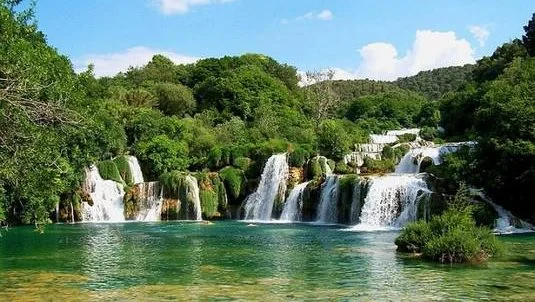 Semuliki National Park is Uganda’s most single and least understood natural wonder. At just 219 square kilometres, it is one of the country’s smallest national parks. But what it contains within those modest boundaries is, in ecological terms, staggering. This is the only lowland tropical rainforest in East Africa, the easternmost extension of the Ituri Forest of the Congo Basin, a fragment of one of the oldest and most biodiverse forest ecosystems on the planet. While much of Africa’s forest retreated and disappeared during the dry conditions of the last ice age 12,000 to 18,000 years ago, Semuliki survived, sheltering species from an ancient forest world and sending them out to recolonise a better, wetter world when the rains returned. The park is, in the most literal sense, a living relic.
The consequences of that survival are written in the park’s extraordinary species lists. More than 400 bird species have been recorded in Semuliki, of which 216 are true forest birds, including 66 percent of Uganda’s total forest bird checklist. Sixty of these species are found in no other park in Uganda, Congo Basin endemics that reach the eastern limit of their range in Semuliki’s ancient canopy. Nine hornbill species, the lyre-tailed honeyguide, the Congo serpent eagle, the black-wattled hornbill, and the Nkulengu rail represent a birding list that has made Semuliki a destination of continental significance for serious ornithologists. The park’s 60 mammal species include eight primates, forest elephants, African buffalo, hippopotamus, leopard, and the water chevrotain, the world’s smallest hoofed animal. Almost 460 butterfly species have been recorded, representing an astonishing diversity of Lepidoptera in a single small forest.
For travelers on a Uganda safari who wish to venture beyond the well-worn circuits and encounter the Africa that still keeps genuine secrets, Semuliki National Park is the most compelling detour the country offers. Combined naturally with a visit to Queen Elizabeth National Park to the south or the Rwenzori Mountains to the east, Semuliki delivers an experience of forest, hot springs, and Congolese wildlife that is available nowhere else in East Africa.
Semuliki National Park: Overview
Semuliki National Park lies in Bwamba County, a remote part of Bundibugyo District in western Uganda, on the country’s border with the Democratic Republic of the Congo. The park was established in October 1993, converting a forest reserve that had been managed since 1932 into a protected national park. It sits within the Albertine Rift, the western arm of the East African Rift, at an elevation of 670 to 760 metres above sea level, occupying a flat to gently undulating landform that belies the extraordinary ecological complexity of its interior.
The park is bounded to the west by the Semliki River, which serves simultaneously as the park boundary and the international border with the Democratic Republic of the Congo. Lake Albert lies to the north. The foothills of the Rwenzori Mountains rise to the southeast, their snow-capped peaks occasionally visible above the forest canopy on clear mornings. This geographic position, at the convergence of the Albertine Rift, the Congo Basin forest system, and the East African savannah, is the fundamental reason for the park’s extraordinary biodiversity.
The broader Semuliki Valley is a protected landscape comprising three conservation units: Semuliki National Park itself, the Toro-Semliki Wildlife Reserve to the north along Lake Albert, and the buffer zones of community woodland and research area that frame both protected areas. The Toro-Semliki Wildlife Reserve, established in 1926 as the Toro Game Reserve, provides habitat for savannah species including Uganda kob, topi, and hippopotamus, complementing the forest species of the national park in a broader landscape that rewards multi-day visits.
The park’s climate is hot and humid throughout the year, with temperatures ranging from 18 to 30 degrees Celsius and average annual rainfall of 1,250 millimetres. Rainfall peaks occur from March to May and from September to December. The forest is dense, the humidity is high, and the birding and wildlife activity is concentrated around the park’s trail system, the Sempaya Hot Springs area, and the Semliki and Lamia rivers, which provide permanent water for the full range of the park’s wildlife.
How to Get to Semuliki National Park
Semuliki National Park is located approximately 65 kilometres from Fort Portal, the most convenient gateway town, and approximately 360 kilometres from Kampala. The approach through the Albertine Rift is one of Uganda’s most dramatic drives and forms an integral part of the park experience.
From Kampala to Fort Portal
The drive from Kampala to Fort Portal takes approximately four to five hours along the highway through Mubende and Kyenjojo, passing through the tea estates and rolling hills of western Uganda before arriving at Fort Portal, the cultural capital of the Tooro Kingdom and the natural base for western Uganda’s constellation of parks. Fort Portal has comfortable accommodation options for travelers breaking the journey before continuing to Semuliki. Your Gorilla Safaris team will manage the departure timing, accommodation pre-booking, and all logistics seamlessly from Kampala or Entebbe.
From Fort Portal to Semuliki
From Fort Portal, the road to Semuliki descends dramatically into the Semliki Valley, dropping from the cool highlands of the Tooro region into the hot, lowland forest world of the Albertine Rift in a series of switchbacks that reveal the landscape in successive layers. The road passes through Bundibugyo town before reaching the park entrance at Ntandi, approximately 65 kilometres from Fort Portal. The drive takes one and a half to two hours depending on road conditions. The descent itself is one of the most visually dramatic transfers in Uganda, and your private driver-guide will know the viewpoints and stops that make the most of it.
From Queen Elizabeth National Park
For travelers on a western Uganda circuit that includes Queen Elizabeth National Park, Semuliki is a natural extension. The drive from Queen Elizabeth to Semuliki via Kasese and Bundibugyo takes approximately three hours and can be broken at the Rwenzori foothills for a lunch stop with mountain views. This is the most popular routing for travelers combining Semuliki with the broader western Uganda circuit.
Best Time to Visit Semuliki National Park
Semuliki National Park is a year-round destination, and the forest’s permanent canopy means that wildlife and bird activity remains high regardless of season. However, the two broad seasons shape the experience in distinct ways, and understanding them will help you choose the programme best suited to your interests.
Dry Season: June to August and December to February
The dry seasons between June and August and between December and February offer the most comfortable conditions for forest walking and trail access. The humidity, while always significant in a lowland rainforest, is somewhat lower in the dry months, and the trails are drier underfoot and easier to navigate. The Sempaya Hot Springs are accessible year-round but are particularly photogenic in the dry season when the steam rises against a clear sky rather than competing with rain mist. Game drives in the Toro-Semliki Wildlife Reserve to the north, where the open savannah species are visible across the grassland, are at their best in the dry months when vegetation is shorter and animals concentrate around permanent water sources. For families and for travellers who prefer accessible, comfortable walking conditions, the dry season is the recommended choice.
Wet Season: March to May and September to November
The wet seasons are, paradoxically, the period when Semuliki’s birding reaches its peak. Migratory species arrive to supplement the resident checklist, the forest is at its most lush and vibrant, and the sound of the canopy in the rain, a layered percussion of water on leaves at every scale from individual drops to cascades, is one of the most affecting natural soundscapes in Uganda. Serious birders who can accept muddy trails and occasional heavy rain will find the wet season exceptionally rewarding. The hot springs are more atmospheric in the mist, and the humidity, while more intense, brings out the full range of forest scent that the drier months suppress. Many sections of the park experience flooding during the wet season, and some trails may be inaccessible; your private guide will know which routes remain open.
What to See in Semuliki National Park
The Sempaya Hot Springs
The Sempaya Hot Springs are the most iconic feature of Semuliki National Park and the experience that most visitors describe first when recounting their visit. There are two springs: the female spring, known as Bitente, and the male spring, known as Bintente. The female spring, a large boiling pool surrounded by mineral-encrusted earth and steaming vegetation, is the more dramatic and accessible of the two. Its surface is constantly agitated by the upwelling of superheated water, and the surrounding ground is warm to the touch. The male spring, the more spectacular of the pair, erupts intermittently like a small geyser, throwing a column of boiling water approximately half a metre into the air before subsiding and erupting again. Local guides have been known to demonstrate the temperature of the springs by boiling eggs in the water, a performance that simultaneously illustrates the geothermal energy at work and provides breakfast.
The hot springs are reached via a short forest walk from the Sempaya tourism centre, crossing the Sempaya stream and moving through a section of forest where bird activity is exceptionally high. The shorebirds and wading species that gather around the mineral-rich water’s edge, attracted by the salt content and the invertebrate life of the spring margins, add a wildlife dimension to what is already a geological spectacle. The best time for the springs walk is early morning, when the steam catches the first light and the forest birds are at maximum activity.
The Forest: East Africa’s Only Lowland Rainforest
Walking into the interior of Semuliki‘s lowland rainforest is an experience of immediate and total sensory immersion. The canopy closes overhead at 30 to 40 metres. The light becomes green and diffuse. The humidity rises. And the sounds of the forest, the layered calls of 400 bird species, the percussion of hornbills in the canopy, the distant drumming of a woodpecker, and the shriek of a black-and-white colobus somewhere above, begin to resolve into individual voices that an experienced guide can identify and locate. The dominant tree species is the Uganda ironwood, Cynometra alexandri, whose buttressed trunks and dense canopy create the cathedral architecture of the forest interior. Strangler figs, palms, and swamp forest communities fringe the river margins.
The forest’s age, one of the oldest continuous forest areas in Africa, having persisted through the ice age conditions that destroyed most of the continent’s rainforest, gives it a quality of accumulated biodiversity that is visible at every scale. The understorey is rich with ferns, orchids, and the mushroom communities of the forest floor. The mid-level holds primates and the smaller forest birds. The canopy is the domain of hornbills, turacos, and the Congo Basin endemics that draw birders from around the world.
Birds: 400 Species Including 60 Found Nowhere Else in Uganda
Semuliki National Park is one of the most important birding destinations in Africa and the continent’s premier site for Congo Basin forest endemics east of the Rift. The park’s 400-species checklist includes 216 true forest birds, and 60 of these species are found in no other park in Uganda. The lyre-tailed honeyguide, with its extraordinary tail streamers and its habit of leading humans to beehives as a strategy for sharing the honey, is one of the most sought-after species. The Congo serpent eagle, a powerful raptor of the dense forest interior, is reliably recorded with an experienced guide. Nine hornbill species include the black-wattled hornbill, the white-crested hornbill, and the piping hornbill, whose calls are among the most distinctive sounds of the Semuliki forest. The Nkulengu trail, the Sassi’s olive greenbul, and the Oberlaender’s ground thrush represent some of the rarest birds in East Africa.
A dedicated birding walk with your private specialist guide, departing before dawn from the Ntandi entrance area and moving along the forest trail system in the first two hours of light, is the most productive strategy for the park’s target species. A typical full-day birding session can yield 100 to 150 species, and a dedicated birding programme of two or three days has the potential to record most of the park’s highest-value targets.
Primates: Eight Species in a Single Forest
Semuliki National Park supports eight primate species, making it one of the most primate-rich forests in Uganda. The red colobus and black-and-white colobus are regularly encountered along the forest trails, their leaping movements between the upper canopy providing one of the great forest wildlife spectacles. The grey-cheeked mangabey, a large forest monkey of Congolese origin, moves through the mid-level forest in noisy troops. The mona monkey, reaching the eastern limit of its range in Semuliki, represents a species found in no other Uganda park. Olive baboons frequent the forest edge and the hot springs area. Chimpanzees are present in the park and in the adjacent Toro-Semliki Wildlife Reserve, where a habituation programme has been ongoing, though encounters are not as reliable as in Kibale Forest.
Other Wildlife: Forest Elephants, Buffalo, and Hippos
Forest elephants move through the dense interior of Semuliki on trails that their family groups have used for generations, emerging at the Semuliki River to drink and bathe in the early morning. Encountering forest elephants on a guided forest walk, a much more intimate experience than vehicle-based sighting of savannah elephants, is one of Semuliki’s most powerful wildlife moments. African buffalo frequent the forest margins and the more open areas near the Sempaya Hot Springs. The Semliki River holds populations of hippopotamus and Nile crocodile, both viewable from the riverbank at dawn with an experienced ranger escort. The water chevrotain, the world’s smallest hoofed animal, inhabits the swamp forest margins near the river and is occasionally encountered by patient observers in the late afternoon.
The Bambuti and Batwa Pygmy Communities
The forests of the Semuliki Valley are the ancestral homeland of the Bambuti people, a Pygmy community of the Batwa lineage who have lived as hunter-gatherers in this forest for thousands of years. Approximately 100 Bambuti individuals continue to live in a largely traditional way in the forests near the park boundary. A curated cultural visit to a Bambuti community, arranged as part of your safari itinerary, provides an insight into one of Africa’s most ancient and distinctive cultures: forest knowledge accumulated over millennia, traditional honey harvesting, medicinal plant identification, and the extraordinary physical agility that a lifetime in the lowland rainforest produces. The Bambuti cultural experience is one of the most ethically complex and humanly affecting encounters available in western Uganda, and your Gorilla Safaris guide will approach it with the sensitivity and respect it deserves.
The Nyaburogo Gorge
The Nyaburogo Gorge hike takes trekkers through the forest interior to a dramatic river gorge where the Nyaburogo River has cut through the volcanic rock of the Rift margin in a series of cascades and pools of clear water. The hike takes approximately three to four hours return and passes through some of the densest and most undisturbed sections of the Semuliki forest, with excellent opportunities for bird and primate observation along the trail. The gorge itself, with its moss-covered walls and the cool spray of the cascades, provides a physical contrast to the heat and humidity of the forest floor that makes it one of the most refreshing and memorable activities in the park.
The Semliki River and Lake Albert
The Semliki River, forming the western boundary of the park and the international border with the DRC, is one of Uganda’s most wildlife-rich riverine habitats. A guided walk along the riverbank in the early morning, with hippos surfacing in the dark water and the forest birds active in the riverside vegetation, is a different experience from the forest interior walks and provides a sense of the park’s layered habitats. To the north, where the Semliki River flows into Lake Albert, the Toro-Semliki Wildlife Reserve offers the option of a boat cruise on Africa’s sixth largest lake, with the Rwenzori Mountains to the south and the DRC escarpment visible across the water.
Semuliki National Park Entrance Fees
Park entrance fees at Semuliki National Park are administered by the Uganda Wildlife Authority. Foreign non-resident adults are currently charged USD 40 per person per day. East African residents pay a reduced rate in Ugandan shillings. Children aged 5 to 15 are charged at the children’s rate. The hot springs walk is included in the park entrance fee. Additional activity fees apply for specialist guided bird walks and primate tracking sessions, and all fees are confirmed and settled on your behalf as part of your Gorilla Safaris programme. Your consultant will provide current rates at the time of booking, as UWA retains the right to update fees.
Best Activities in Semuliki National Park
The Sempaya Hot Springs Walk
The hot springs walk is the activity that defines most visitors’ Semuliki experience, and for good reason. The short trail from the Sempaya tourism centre to the female and male springs passes through forest that is exceptionally rich in bird and butterfly life, and the springs themselves, erupting in their theatrical columns of steam and boiling water, are unlike any other natural feature in Uganda. The walk takes approximately two hours at a comfortable pace, and the timing matters: dawn is when the light is best, the steam is most dramatic, and the forest birds are most active. Your private guide will position you at the springs for the moments when the light comes through the forest canopy and the steam column turns to gold.
Forest Bird Watching In Semiliki National Park
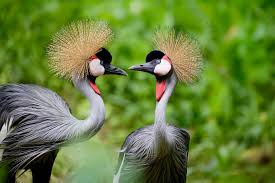 Birding in Semuliki National Park is a dedicated pursuit and one of the most rewarding in Africa for travellers with serious ornithological interests. The strategy for the park’s Congo Basin endemics requires a combination of early starts, patient forest observation, and the deep local knowledge that only an experienced Semuliki guide can provide. A three-day birding programme, with morning and evening sessions along different sections of the trail system, has the potential to record most of the park’s highest-value targets including the lyre-tailed honeyguide, the Congo serpent eagle, the Nkulengu rail, and all nine hornbill species. For visiting birders, Semuliki is the essential Uganda stop that no other park in the country can replicate.
Forest Nature Walks
Guided nature walks through the Semuliki forest interior, departing from Ntandi or the Sempaya tourism centre with your private ranger guide, take between two and five hours depending on the route chosen and the pace set by the group. The walks focus on the ecology and biology of the lowland rainforest: the tree species and their relationships with the animals that depend on them, the fungi and invertebrate communities of the forest floor, the epiphytes of the mid-level canopy, and the bird and primate species encountered along the route. For families traveling with children who are curious about natural history, the forest walk provides an educational immersion in tropical ecology at a level that few other Uganda experiences can match.
Nyaburogo Gorge Hike
The Nyaburogo Gorge hike is the more demanding of the park’s two principal walking options and rewards physically active travelers with access to some of the most undisturbed sections of the Semuliki forest. The trail passes through primary forest where the canopy is at its most complete and the bird activity is at its most intense, before arriving at the gorge and its series of cascades. The hike is rated as moderate and suitable for travellers with reasonable fitness. Your ranger guide manages the pace and timing, and the return journey can be varied to cover different forest sections and maximize bird observation.
Primate Tracking
The eight primate species of Semuliki National Park can be observed on guided forest walks, though encounters are less predictable than in parks where specific groups have been habituated for tourism. The grey-cheeked mangabey and the red colobus are the most frequently encountered, often in large and noisy troops that announce their presence through the canopy long before they are visible. Chimpanzee tracking in the adjacent Toro-Semliki Wildlife Reserve, where a habituation project has been in progress, can be arranged for travelers willing to commit to an early-morning programme. The experience of following a chimpanzee group through the forest, with your ranger reading the signs of their passage in bent branches and fresh food remains, has an element of genuine tracking adventure that the more tourist-oriented chimp experiences at Kibale Forest National Park do not replicate.
Boat Cruise on Lake Albert and the Semliki River
A guided boat cruise on the Semliki River or the shores of Lake Albert, arranged through the Toro-Semliki Wildlife Reserve, provides a completely different perspective on the Semuliki Valley landscape. Hippos are numerous in both the river and the lake margin. The birdlife of the open water and the river banks is rich and different from the forest interior species, with African fish eagle, pied kingfisher, saddle-billed stork, and the Goliath heron among the regularly encountered species. The Rwenzori Mountains reflected in the lake surface on a clear morning, with the DRC escarpment rising on the opposite shore, is a view of rare geographic drama.
Cultural Visits: Bambuti Community
The Bambuti cultural visit, arranged as a curated half-day programme from the park, provides one of the most authentic and humanly moving cultural encounters available in western Uganda. The visit is organised with the community’s direct involvement and economic benefit, and the experience, which includes demonstrations of traditional forest skills, medicinal plant knowledge, and the extraordinary musical tradition of the Bambuti, who have one of the most sophisticated polyphonic singing traditions of any indigenous African community, rewards open-minded travelers with a perspective on human culture and forest ecology that no other Uganda destination provides.
Where to Stay at Semuliki National Park
Accommodation in the Semuliki area is more limited than at Uganda’s more frequently visited parks, reflecting the park’s position as a specialist destination rather than a mainstream safari circuit stop. Options range from comfortable eco-lodge stays to simple Bandas and camping within the park itself, and your Gorilla Safaris consultant will match the accommodation to your style and programme.
Luxury: Semliki Safari Lodge
Semliki Safari Lodge is the premier accommodation address in the Semuliki Valley and one of the finest small lodges in western Uganda. Positioned on the escarpment above the valley with views across the forest canopy to the Rwenzori Mountains, the lodge offers individually designed cottages with private verandas, open-air bush showers, and a level of personal service that is consistent with the Gorilla Safaris standard for luxury positioning. The lodge’s specialist guiding team, with deep knowledge of the park’s forest bird species, provides access to Semuliki’s target checklist at a level that independent visitors cannot replicate. The main lodge area, where candlelit dinners are served to the sounds of the valley’s nocturnal wildlife, provides an atmosphere of considered elegance in a remote and extraordinary location.
Mid-Range: Bumaga Camp and Fort Portal Hotels
Bumaga Camp, positioned near the park entrance, offers comfortable tented accommodation in a relaxed and informal camp setting that is particularly popular with birding groups and independent travellers. The camp provides a knowledgeable local guiding team and a good standard of meals in an open-air dining area. For travelers based in Fort Portal and visiting Semuliki on day trips or short overnight programmes, the hotels of Fort Portal, including Mountains of the Moon Hotel and Kyaninga Lodge on the crater lake circuit, provide comfortable mid-range to upper mid-range accommodation with easy access to the park road.
Budget: UWA Bandas and Camping
The Uganda Wildlife Authority operates basic bandas and a campsite at Ntandi, within the park, providing simple but clean accommodation for budget travelers, research visitors, and independent adventurers. The bandas offer a genuine forest immersion experience, with the sounds of the park surrounding the accommodation at all hours and the opportunity to step outside before dawn and begin birding before the formal programme begins. For travelers seeking the most authentic and unmediated connection with the Semuliki environment, the UWA bandas provide that experience at an accessible price.
What to Wear and Pack for Semuliki National Park
Semuliki is a lowland rainforest at an elevation of 670 to 760 metres, and packing correctly is essential to both comfort and the quality of your wildlife experience. The forest is hot and humid throughout the year, with temperatures regularly reaching 30 degrees Celsius, and the rain can arrive at any time regardless of season.
Long-sleeved, lightweight shirts and trousers in neutral colours are strongly recommended. The tsetse fly, which is active in some sections of the park and the reserve, is repelled by darker colours and is deterred by clothing that covers the skin. Bright colours are discouraged. A lightweight waterproof jacket, easily packed and quickly accessible, is essential; the forest is indifferent to forecasts. Waterproof hiking shoes or boots with good ankle support are required for the forest trails, which can be slippery after rain even in the dry season.
Insect repellent containing DEET is non-negotiable in Semuliki. The forest’s insect life includes mosquitoes, biting flies, and ants that require active management, and the application of repellent before every forest walk is the standard practice recommended by all guides. Antimalarial medication appropriate for a high-transmission environment should be taken as advised by your physician before departure. A yellow fever vaccination certificate is required for entry into Uganda and should be obtained well before travel.
For birders, a binocular of 10×42 configuration is the standard recommendation, and a quality spotting scope adds significantly to the observation of the forest canopy species. A camera with a telephoto lens and a fast sensor, capable of performing in the low-light conditions of the forest interior, is essential for the Congo Basin endemics. Drinking water should be carried in adequate quantity for every forest walk, as the heat and humidity of the lowland forest environment produce significant fluid loss even at moderate activity levels. Your Gorilla Safaris team will provide a detailed packing guide with your pre-departure documents.
Frequently Asked Questions: Semuliki National Park
Where is Semuliki National Park?
Semuliki National Park is located in Bwamba County in Bundibugyo District, western Uganda, on the border with the Democratic Republic of the Congo. The Semliki River forms the park’s western boundary and the international border with DRC. The nearest major town is Fort Portal, approximately 65 kilometres to the east. The park lies within the Albertine Rift Valley and is approximately 360 kilometres from Kampala.
What is Semuliki National Park famous for?
Semuliki National Park is famous for three things above all others: the Sempaya Hot Springs, which include a boiling geyser-like spring that erupts continuously; its extraordinary bird life, which includes 400 species of which 60 are Congo Basin endemics found nowhere else in Uganda; and its status as East Africa’s only lowland tropical rainforest, an ecological rarity of continental significance. It is considered one of Africa’s premier birding destinations.
How many bird species are in Semuliki National Park?
Semuliki National Park has recorded more than 400 bird species. Of these, 216 are true forest birds, representing 66 percent of Uganda’s total forest bird checklist. Sixty of these species are found in no other Uganda national park, making Semuliki the essential destination for birders targeting Congo Basin endemics. Key species include the lyre-tailed honeyguide, the Congo serpent eagle, the Nkulengu rail, and nine hornbill species.
What are the Sempaya Hot Springs?
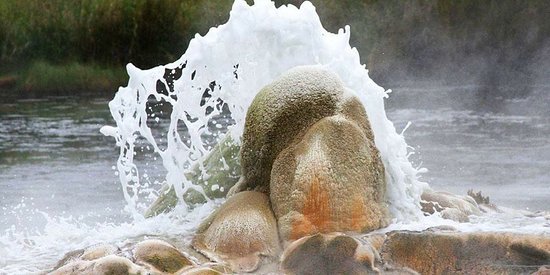 The Sempaya Hot Springs are two geothermal springs within Semuliki National Park. The female spring, Bitente, is a large boiling pool surrounded by mineral-encrusted earth. The male spring erupts intermittently like a small geyser, throwing a column of boiling water approximately half a metre into the air. Both springs are reached via a short forest trail from the Sempaya tourism centre and are visited as part of the park’s primary wildlife and geology walk. Local guides sometimes boil eggs in the female spring to demonstrate the water temperature.
How do I get to Semuliki National Park?
Semuliki National Park is approximately 65 kilometres from Fort Portal and 360 Kilometres from Kampala. The drive from Kampala to the park takes approximately six to seven hours via Fort Portal. The park can also be reached from Queen Elizabeth National Park in approximately three hours via Kasese and Bundibugyo. All transfers are arranged privately; there is no reliable public transport to the park. Your Gorilla Safaris team manages all logistics.
What is the best time to visit Semuliki National Park?
The dry seasons of June to August and December to February offer the most comfortable trail conditions and are recommended for families and general wildlife visitors. The wet seasons of March to May and September to November are the best periods for birding, as migratory species supplement the resident checklist and the forest is at its most vibrant. The hot springs are accessible and rewarding year-round.
What mammals can I see in Semuliki National Park?
Semuliki National Park supports over 60 mammal species including forest elephants, African buffalo, hippopotamus, leopard, African civet, and nine duiker species. Eight primate species are present, including the grey-cheeked mangabey, the red colobus, the black-and-white colobus, the mona monkey, and chimpanzees. The water chevrotain, one of the world’s smallest hoofed mammals, inhabits the swamp forest margins near the Semliki River.
Can I combine Semuliki National Park with gorilla trekking?
Yes. Semuliki National Park is most commonly combined with gorilla trekking at Bwindi Impenetrable Forest National Park and Queen Elizabeth National Park in a western Uganda circuit. The typical routing is Fort Portal and Semuliki, then south to Queen Elizabeth, then to Bwindi. A five to ten-day programme comfortably accommodates all three destinations.
Who are the Bambuti people of Semuliki?
The Bambuti are an indigenous Pygmy community of the Batwa lineage who have lived as hunter-gatherers in the forests of the Semuliki Valley for thousands of years. Approximately 100 Bambuti individuals continue to live in or near the park boundary in a largely traditional way. The park enables curated cultural visits to the Bambuti community, providing visitors with insight into traditional forest skills, medicinal plant knowledge, and the community’s distinctive polyphonic musical traditions. Tourism income provides the Bambuti with a supplementary livelihood directly connected to the park’s conservation.
What should I pack for Semuliki National Park?
Pack lightweight long-sleeved shirts and trousers in neutral or dark colours (to deter tsetse flies), a lightweight waterproof jacket, waterproof hiking boots with ankle support, insect repellent containing DEET, antimalarial medication as prescribed, a yellow fever vaccination certificate (required for Uganda entry), binoculars of 10×42 configuration, a camera with a telephoto lens capable of performing in low light, and adequate drinking water for every forest walk.