Akagera National Park-Rwanda's Savannah Jewel
The Ultimate Guide to Wildlife Safaris, Big Five, Birding & Wetlands in Eastern Rwanda.
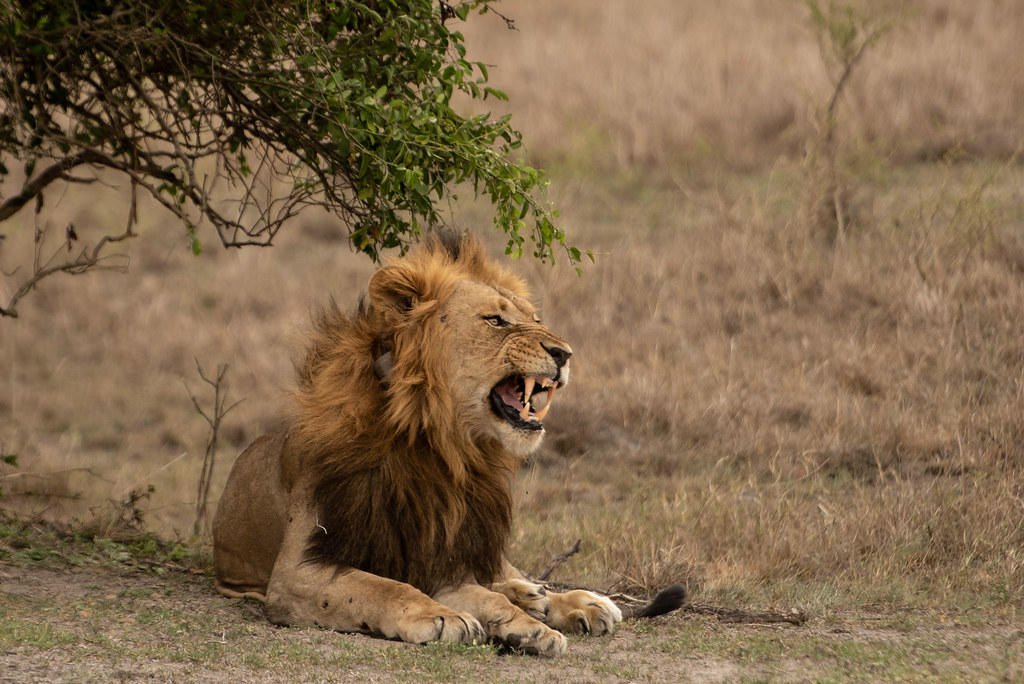
“The lions of Akagera were gone for twenty years. When they returned in 2015 — two males from South Africa, released into a landscape that had almost forgotten them — a ranger who had worked in this park for fifteen years stood at the fence and wept. That is the kind of story Akagera tells.”
Akagera National Park-Rwanda Safari Guide & Big Five
There is a particular quality to a savannah at dawn that no other landscape produces. The light that arrives before sunrise in Akagera National Park is not gentle — it is horizontal and gold, cutting across the plains at an angle that makes every blade of grass and every acacia thorn glow as if illuminated from within. The Kagera River is visible to the east, winding through papyrus swamps that extend to the Tanzanian border. Lake Ihema reflects the sky. And somewhere in the long grass, moving with the unhurried deliberateness of an animal that has decided it owns this territory — because it does, and only very recently again — a lion is beginning its morning.
Akagera National Park, covering 1,122 square Kilometres of eastern Rwanda along the Tanzanian border, is one of the great conservation recovery stories in Africa. Founded in 1934 and devastated by the aftermath of the 1994 genocide against the Tutsi — when returning refugees settled within its boundaries and the wildlife was largely eliminated — the park was halved in size before African Parks arrived in 2010 with a twenty-year management agreement and a clear intention: to rebuild Akagera from the ground up. They eliminated poaching within five years. They reintroduced lions in 2015, black rhino in 2017, and white rhino in 2021. The large mammal population grew from fewer than 5,000 animals to over 12,000. The park’s wildlife tourism revenue in 2023 reached USD 4.8 million, making it 92 percent self-financing — a conservation model that is studied by protected area managers around the world.
The result, today, is a park that contains all of Africa’s Big Five — lion, leopard, elephant, rhino, and buffalo — alongside zebra, giraffe, hippopotamus, spotted hyena, topi, roan antelope, eland, sitatunga, and a wetland and lake system that supports over 500 bird species, including the critically endangered shoebill stork, one of the most remarkable birds on the planet. And all of this within three hours’ drive of Kigali, in a country that most visitors arrive in for gorilla trekking alone.
For travelers combining Akagera National Park, with Rwanda’s other parks — a gorilla trek at Volcanoes National Park and chimpanzee tracking at Nyungwe Forest — it completes a Rwanda circuit that encompasses primates, savannah, wetlands, forest, and volcanic highlands in a single journey. For those who come to Akagera specifically, it offers a Big Five safari experience with a character entirely its own: smaller than the great East African parks, more intimate, less crowded, and carrying a narrative of human resilience and ecological comeback that deepens every wildlife sighting.
At Gorilla Safaris, we have been incorporating AKagera National Park into Rwanda itineraries since the park’s rehabilitation began, and we have watched it develop from a promising recovery project into one of the finest wildlife destinations in central Africa. This guide is written to introduce you to what it offers — and to help you decide how it fits into the Rwanda journey you are planning.
Akagera National Park: The Full Picture
Akagera National park lies in eastern Rwanda, straddling the country’s border with Tanzania along the course of the Akagera River. Its 1,122 square kilometres encompass three distinct habitat zones that create, within a relatively compact area, the full range of classic East African safari environments. In the north, open Savannah plains and rolling grassland provide the landscape most associated with lion and buffalo. In the west, the terrain becomes hillier and more wooded — characteristic of Rwanda’s interior and offering excellent leopard habitat. To the east, the Akagera River feeds a chain of lakes — Ihema, Shakani, Rwanyakizinga, and others — connected by vast papyrus swamps that constitute the largest protected wetland in central and eastern Africa, extending across more than a third of the park’s total area.
This habitat diversity is the key to Akagera’s wildlife richness. The open plains support the grazing herds — zebra, topi, impala, eland, buffalo, and the giraffes whose population has grown to 78 individuals since their reintroduction
from Kenya in 1986. The woodland and hill zones hold leopard, bush elephant, and the majority of the park’s antelope diversity including the rare roan antelope and sitatunga. The wetlands and lakes support the park’s extraordinary waterbird communities, the enormous crocodiles that sunbathe on the lake margins, and the hippopotamus pods that number among the densest in East Africa.
The conservation story behind Akagera is inseparable from Rwanda’s own history. The park was established by Belgian colonial authorities in 1934 and was known for extraordinary wildlife including one of the largest populations of African wild dogs on the continent.
The genocide of 1994 and the displacement of populations that followed destroyed much of this — lions were eliminated by 2000, black rhino by 2007, wild dogs long before. When African Parks assumed management in 2010, the park was a fraction of its former self in every sense. The reversal that followed — systematic elimination of poaching, electrification of the western boundary fence, reintroduction of lions, black rhino, and white rhino, engagement of surrounding communities as economic stakeholders — is a model of how protected areas can be rebuilt. Not a single high-value species has been lost to poaching since 2010.
The park now counts lions (58 individuals), both black and white rhino, leopard, elephant, and buffalo — the complete Big Five, restored to a landscape that had lost them all.Â
The full mammal inventory has grown to include 13,500 individuals. And the bird list stands at over 500 species, including 13 species of heron, the great white pelican, African fish eagle, saddle-billed stork, and the extraordinary shoebill stork — an ancient-looking bird that resembles a creature from the Cretaceous and is encountered in the papyrus swamps with a rarity that makes each sighting genuinely memorable.
Wildlife of Akagera National Park: What to Expect on Safari
The Big Five – Akagera National Park Safari Guide
Lions were reintroduced to Akagera National Park in 2015 from Tembe Elephant Park in South Africa and have thrived. The population of 58 individuals is spread across the park’s northern plains, and morning game drives in the Kilala Plains area are the most reliable approach for lion sightings. The population’s growth rate suggests a healthy, reproducing group, and cubs have been observed on numerous occasions by Gorilla Safaris guides in recent seasons.
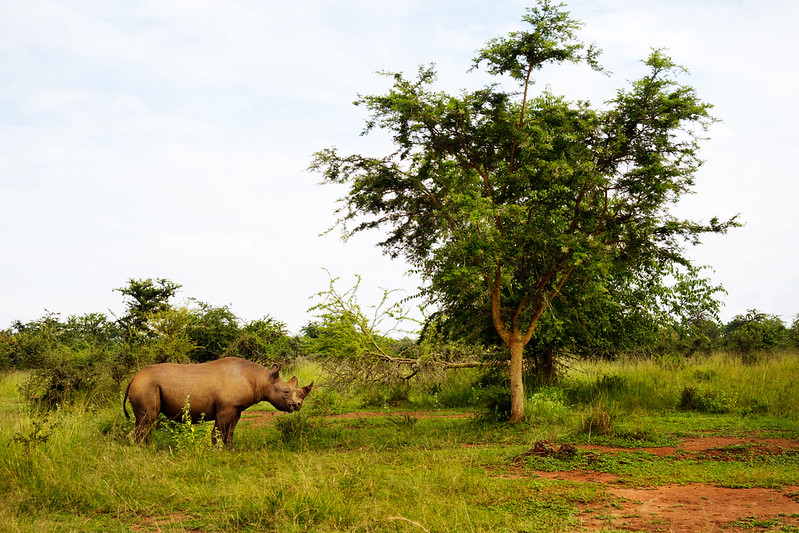
Black rhino — eighteen individuals reintroduced from South Africa in 2017, supplemented by five more from European zoos in 2019 — are elusive by nature and guarded by a dedicated tracking team. Rhino tracking with a specialist ranger guide is one of Akagera’s most exclusive activities, requiring advance arrangement and a willingness to walk off-road through their preferred habitat. White rhino, thirty individuals from Phinda Private Game Reserve translocated in 2021, are more readily observed on game drives in the areas where they have established their ranges. The sighting of any rhino — black or white — carries an emotional weight in Akagera that is specific to this park’s history.
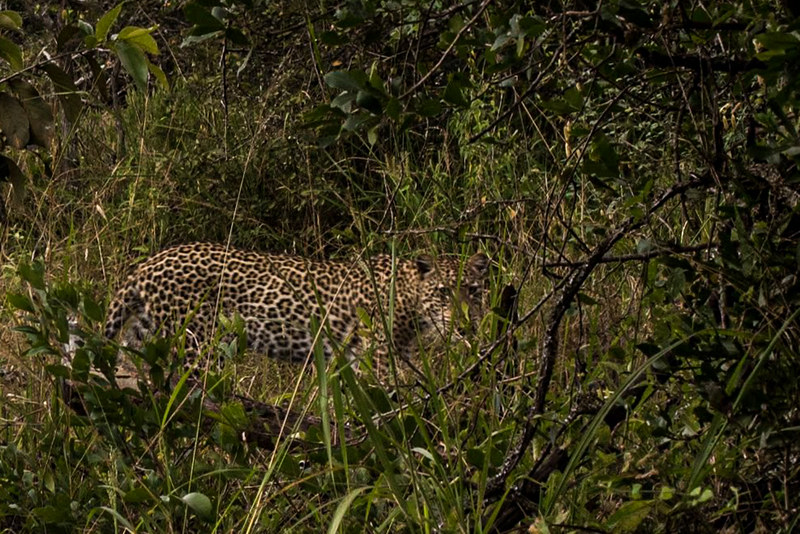
Leopard are present throughout the wooded western areas and the rocky kopjes of the park interior. They are reliably elusive, as leopards always are, but the park’s resident photographic safari guides know the individual animals’ preferred territories and the hours during which they are most active. Early morning game drives and night drives — available to overnight guests — offer the best opportunities. Elephant move in family groups through the woodland zones, and game drives in the central park area regularly encounter them at close range. Buffalo are arguably the most consistently visible of the five, appearing in large herds on the plains and in smaller groups along the lake margins.
Wetlands, Lakes & Hippos
Lake Ihema, the largest of Akagera’s interconnected lakes, is accessible from the Ruzizi Tented Lodge and is the centrepiece of the park’s wetland experience. A boat trip on Lake Ihema is one of the most remarkable two hours available in Akagera National Park: hippos in numbers that few other lakes in East Africa can match, enormous Nile crocodiles basking on sandbanks ten metres from the boat, elephant families drinking at the water’s edge, and the continuous spectacle of the waterbird community that inhabits every inch of the lake’s shore and reed margins.
The hippo population in Lake Ihema is one of the densest in Africa. The lake surface at midday — a dozen pods visible simultaneously, each containing five to fifteen individuals, the dominant males maintaining their spatial relationships with a combination of vocalisation and physical display that leaves no ambiguity about rank — is an experience that outdoes any description. The boats used for Lake Ihema excursions are purpose-designed for wildlife viewing, with low profiles and quiet motors that allow approach distances that a vehicle-based game drive cannot achieve.
Giraffe, Zebra and the Plains Herds
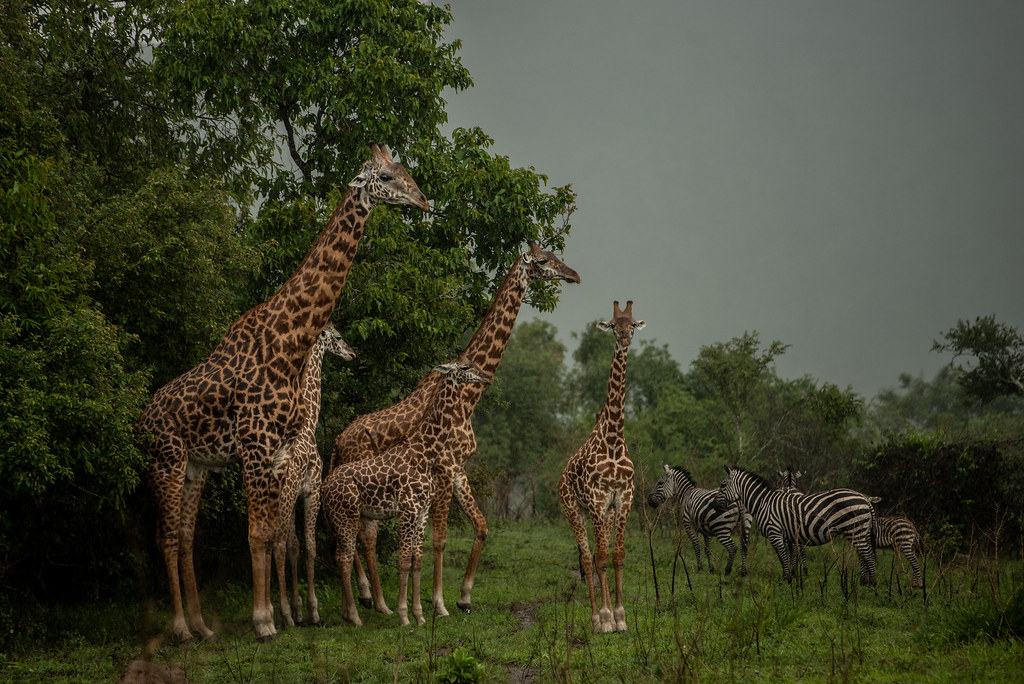
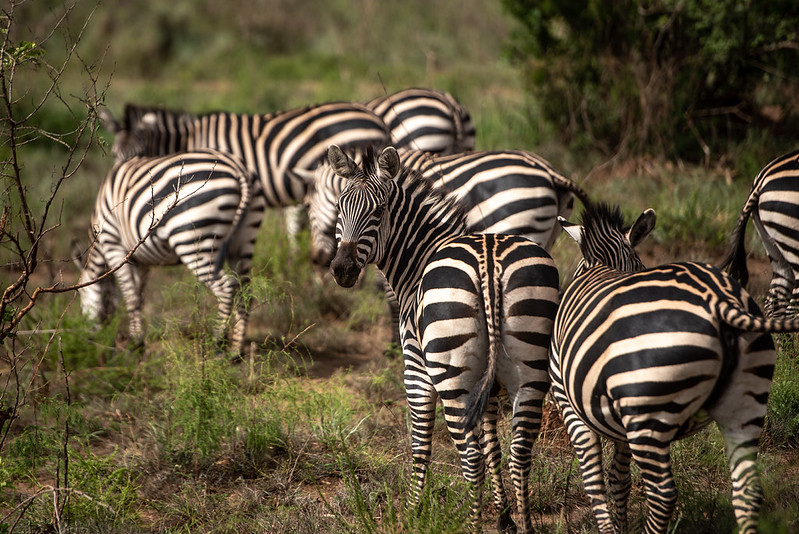
The Masai giraffe population — 78 individuals, according to the most recent count — ranges across the northern plains and the wooded corridors between the savannah zones. Their appearance against the Acacia savannah backdrop, at dawn or in the late afternoon when the light is most dramatic, is the definitive visual image of an African safari and is available in Akagera with a regularity and an absence of competing vehicles that the better-known East African parks cannot always offer. The zebra herds that move through the same plains, accompanied by topi, impala, and the occasional roan antelope, complete a grassland tableau that rewards extended game drive time.
The Shoebill Stork
For many of Africa’s most dedicated wildlife observers, the shoebill stork is a grail species — a bird so unusual in appearance and so restricted in range that an encounter with it carries a specific category of satisfaction. With its massive prehistoric bill, its steel-grey plumage, and its habit of standing absolutely motionless in the papyrus for minutes at a time before striking at fish with a suddenness that the bird’s appearance never suggests it is capable of, the shoebill is native to a handful of central African wetlands. Akagera’s papyrus swamps are among the most reliable sites for the species in Rwanda, and a dedicated boat excursion into the papyrus channels — arranged through your lodge — provides the best access.
Birdwatching in Akagera
With over 500 recorded species, Akagera is one of the finest birdwatching destinations in Rwanda and among the top birding sites in central Africa. The diversity of habitats — open savannah, woodland, lake shore, papyrus swamp, and riverine forest — creates a corresponding diversity of bird communities, and a full day spent moving between these zones with a dedicated birding guide regularly produces lists in excess of 100 species. Beyond the shoebill, the park is notable for the African fish eagle, the saddle-billed stork, the whale-headed stork (an alternative name for the shoebill, reflecting its visual absurdity), the grey crowned crane, the great white pelican, the malachite kingfisher, and 13 species of heron. The lake margins at dawn, as the pelicans arrive in formation and the herons begin their morning patrols, constitute one of the finest birding spectacles in East Africa.
Activities/Things in Akagera National Park- What To see & Do
Game Drives
The primary activity in Akagera National Park is the game drive, and the park’s road network — significantly improved under African Parks’ management — allows comprehensive access to all major habitat zones. Game drives run from 6:00 AM to 6:00 PM, with vehicles required to exit the park within the daily operating window. Early morning drives, departing at first light, are the most productive for predator sightings and for the quality of light that makes photography rewarding. Late afternoon drives, departing two to three hours before the park’s closing time, capture the golden hour and the evening movement of animals toward water sources.
Akagera National Park operates as both a self-drive park (guests can explore in their own 4WD vehicle) and with optional community guide service — community members trained as naturalist guides who accompany guests in their vehicles and provide identification and ecological context for wildlife and birds encountered. For Gorilla Safaris guests, we arrange dedicated 4WD vehicles with professional drivers who are familiar with the park’s roads and the seasonal patterns of wildlife movement, ensuring that the drive programme maximises the specific wildlife priorities of each guest.
Boat Excursions on Lake Ihema
Boat trips on Lake Ihema depart from the Ruzizi Tented Lodge jetty at scheduled times (7:30 AM, 9:00 AM, 3:00 PM, and 4:30 PM) and can also be arranged as private excursions at other hours for guests who prefer exclusivity. The two-hour trip covers the southern and central sections of the lake, with the route adjusted according to the morning’s wildlife and bird activity. Private boat arrangements — available through Gorilla Safaris as part of a curated Akagera National Park programme — eliminate the shared schedule and allow the guide to respond to specific wildlife priorities: extended time at a hippo pod, a careful approach to a shoebill sighting, a pause at the crocodile sandbank that regularly holds fifteen or twenty individuals in close proximity.
Night Drives
Night drives are available exclusively to overnight guests at the park’s lodges, departing at dusk for a two-hour circuit of the park’s road network under artificial light. The park’s nocturnal fauna — African civet, serval, genet, spring hare, scrub hare, bush baby, and on exceptional occasions leopard and hyena — is completely different from the daytime gallery, and the experience of moving through Akagera’s darkness, with the savannah sounds replacing the visual landscape, is something that game drives by day cannot replicate. Night drives depart from Ruzizi Tented Lodge and Magashi Camp, with a maximum of seven guests per vehicle.
Rhino Tracking
Dedicated black rhino tracking — a two to three hour walk from a vehicle drop-off point into the rhino’s preferred habitat, guided by a specialist ranger from the park’s rhino protection team — is Akagera’s most exclusive activity and requires advance arrangement through Gorilla Safaris. The tracker follows signs of overnight rhino movement (trails, feeding evidence, scent markings) to locate the individual animal, and the walk to reach it can cover significant terrain. The reward — a black rhino at close range, in the wild, in a park that had none ten years ago — is proportionate to the effort. This is one of the most emotionally resonant wildlife experiences available anywhere in Rwanda.
Hot Air Balloon Safari
A hot air balloon safari over Akagera’s plains and wetlands, departing at dawn from near the park headquarters, provides a perspective on the landscape that no ground-based activity can offer — the full sweep of the savannah, the lake system glittering in the morning light, and the occasional sighting of wildlife from above in a silence and serenity that the game drive, for all its rewards, cannot replicate. Balloon safaris require advance booking and are subject to weather and operator availability; Gorilla Safaris manages all arrangements as part of the overall Akagera programme.
Behind the Scenes: Conservation Tour
For guests with a specific interest in conservation practice, the park’s headquarters tour — arranged through the lodge and requiring minimum numbers — provides access to the rangers, veterinary staff, and conservation officers whose daily work sustains everything that a safari guest observes on game drives. The anti-poaching canine unit, the rhino tracking team, the community liaison programme, and the research monitoring operations are all part of a functioning conservation machine that the Behind the Scenes tour makes visible. For educational groups, conservation professionals, and travelers who want their wildlife experience to carry its full weight of meaning, this is essential.
Fishing on Lake Shakani in Akagera National Park
For guests at the park’s campsites or at Ruzizi Lodge, fishing on Lake Shakani offers an entirely different register of experience — relaxed, meditative, and surprisingly productive. The lake’s tilapia and other freshwater species can be caught and prepared over an open fire at the campsite, in a setting that combines the practical pleasure of fishing with the ambient sounds and light of the East African savannah at its most itself.
Where to Stay in Akagera National Park
The accommodation options in Akagera National Park range from some of the finest tented camps in central Africa to basic but well-positioned camping facilities that bring the savannah experience to the most budget-conscious traveler. The choice of where to stay fundamentally shapes the Akagera experience — not because the wildlife differs, but because the hours between game drives have their own quality, and the right property manages those hours with the same care it brings to the drives themselves.
Luxury
Magashi Camp, operated by Wilderness Safaris on a private concession at the northern end of the park, is the finest property in Akagera National Park and one of the finest small camps in East Africa. Six tented suites on the shores of Lake Rwanyakizinga, each constructed to minimise ecological impact, with decks overlooking the water and an interior quality that sets the standard for tented safari accommodation in Rwanda. The camp’s private concession status means that Magashi guests have access to areas of the park not open to other visitors, and the guiding team — Wilderness Safaris trains its guides to a standard that is consistently among the highest in Africa — transforms every game drive into a masterclass in ecological interpretation. Magashi is the appropriate choice for guests who regard accommodation as an integral part of the safari experience rather than incidental to it.
Karenge Bush Camp is a smaller, more remote option in the northern part of the park — a self-contained tented camp positioned away from the main lodge areas, accessible only via a longer drive through the park’s interior. Its remoteness is its distinction: evenings at Karenge have the quality of genuine wilderness, with no ambient light pollution and the full acoustic landscape of the African night audible from your tent. It suits guests who want the most immersive experience of Akagera’s landscape, and who are comfortable with a more self-sufficient style of safari.
Mid-Range
Ruzizi Tented Lodge, on the shore of Lake Ihema near the park’s southern entrance, is the most established mid-range property in Akagera and the base for the Lake Ihema boat trips that are among the park’s most rewarding experiences. Nine ensuite tented rooms with lake views, a dining deck positioned above the water, and a staff team experienced in managing the full range of park activities. The lodge’s position on the lake makes it the best base for guests whose primary interest is the wetland ecosystem — shoebill, hippos, pelicans, and crocodiles are observable from the lodge’s own terrace in the early morning, before the day’s formal activities begin. For guests combining Akagera’s wetland and savannah experiences in a single stay, Ruzizi is an excellent and well-priced choice.
Mid-Range to Budget
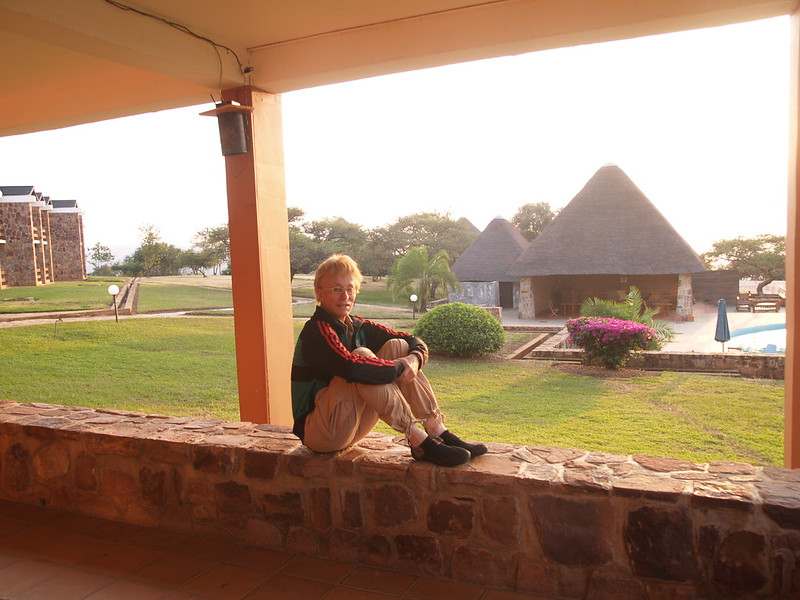
Mantis Akagera Game Lodge (formerly Akagera Game Lodge), perched on a hillside above the park’s central area with sweeping views across the savannah, is the largest property in the park and suits groups, families, and travellers seeking a comfortable base without the premium rates of the luxury camps. The lodge’s elevation provides exceptional dawn and dusk views, and its central position within the park’s road network makes it a practical base for full-day game drive programmes. The rooms are comfortable and well-maintained, and the lodge kitchen produces the kind of reliable, generous meals that long game drive days require.
Akagera’s established campsite network at Lake Shakani, Lake Ihema, and Mutumba Hill provides basic facilities — shaded pitches, ablution blocks, fire pits — for travellers who want to spend the night in the park at the most accessible price point. Self-drivers with camping equipment can cover the full park in a self-catering mode, though Gorilla Safaris can also arrange supported camping with a guide and meals for guests who want the immersive experience without complete self-sufficiency.
Akagera National Park Entry Fees
Rwanda Development Board sets the Akagera National Park entry fees as follows for the current season:
Foreign Non-Residents: USD 50 per person per day (single entry). Vehicle entry fee: USD 10 per vehicle. Foreign Residents: USD 40 per person per day. East African Community citizens: concessional rate (confirm with Gorilla Safaris at time of booking). Children under 5: free entry.
Activity fees are charged separately: boat trips on Lake Ihema are approximately USD 35 per person for shared trips or USD 120 for a private excursion. Night drive fees are included in the lodge programme for overnight guests. Rhino tracking requires a specialist ranger fee of approximately USD 50 per person in addition to park entry. The Behind the Scenes conservation tour has a per-person fee that varies by group size.
All entry fees, activity fees, and associated logistics are managed by Gorilla Safaris as part of the overall itinerary, and guests receive a comprehensive cost breakdown at the itinerary planning stage. There are no surprises at the park gate.
How to Get to Akagera National Park
From Kigali by Road
The drive from Kigali to Akagera’s southern entrance at Rusumo takes approximately two and a half to three hours on well-maintained tarmac roads through Rwanda’s eastern province. The road passes through Rwamagana and the increasingly flat eastern landscape as the country transitions from its characteristic thousand hills to the lower-lying eastern plains. The final approach along the park boundary road, with the papyrus swamps of the Akagera wetlands visible to the east and the savannah opening ahead, marks the transition into a landscape that feels entirely different from Kigali and from Rwanda’s western highlands.
All Gorilla Safaris transfers are conducted in private, air-conditioned 4WD vehicles driven by professional drivers who know the route in every season. For guests combining Akagera National Park with Volcanoes National Park, the drive between the two parks — crossing central Rwanda via Kigali — takes approximately five to six hours by road. Many itineraries route this transfer through Kigali, allowing a half-day in the capital if the timing is appropriate.
From Kigali International Airport
Guests arriving at Kigali International Airport with a direct Akagera connection can reach the park’s southern entrance in under three hours, making an afternoon arrival at the lodge possible even after an early-morning long-haul flight. Gorilla Safaris manages all connections between the international airport and the park, including waiting for delayed flights and managing any logistical adjustments without disruption to the guest programme.
Best Time to Visit Akagera National Park
Unlike Rwanda’s highland forest parks, where the wet season is associated with muddy trails and reduced visibility, Akagera National Park is broadly considered best in the dry season but productive and genuinely rewarding in all months. The park’s wildlife is resident year-round, and the range of habitats — lake, wetland, and savannah — means that every season offers specific advantages.
Dry Season: June to September and December to February
The main dry season from June through September is Akagera’s peak period for wildlife concentration and game drive productivity. Vegetation dies back on the savannah, water sources reduce to permanent rivers and lakes, and animals — particularly elephants, buffalo, and the grass-dependent grazers — concentrate around the permanent water. Lion visibility is highest in the dry season as they follow the prey concentrations, and the reduced ground cover makes predator-prey interactions more visible from game drive vehicles. The open water of Lake Ihema at this time of year holds concentrated hippo populations, and the shoebill stork, which is most reliably found in accessible papyrus areas, is most consistently seen in June through August.
The short dry season of December through February offers similar conditions on a smaller scale, and the holiday period around Christmas and New Year brings higher visitor numbers — though still nothing approaching the pressure of better-known East African parks. Advance booking for Magashi Camp in particular is strongly recommended for this period.
Green Season: March to May and October to November
The wet seasons bring the savannah to its most visually lush state — the plains intensely green, the acacia trees leafing out, and the bird diversity at its annual peak as migrants are present and nesting activity makes species more visible and audible. The long rains of March through May are the period of least visitor pressure and most available accommodation, and for guests combining Akagera with Volcanoes National Park (where the green season also has specific advantages), this pairing in the wet season can represent excellent value and exceptional experience simultaneously. The short rains of October and November are briefer and less disruptive, and many experienced Akagera National Park visitors consider October and November the finest months of the year for the combination of game viewing, birding, and landscape quality.
What to Wear and Pack for Akagera National Park
- Akagera’s savannah and wetland environment requires different preparation from Rwanda’s highland forest parks, and the distinction matters for a guest combining Akagera with Volcanoes National Park or Nyungwe Forest National Park in the same itinerary.
- For game drives, light and breathable clothing in neutral tones — khaki, tan, olive, white — is appropriate for the savannah heat. The eastern plains of Rwanda are significantly warmer than the highland parks, and midday temperatures in the dry season can reach 30°C or above. A long-sleeved shirt for the early morning drive (when temperatures at 6:00 AM can be cool) and a lighter option for the mid-morning is a practical combination. Avoid bright colours and — as in all Rwandan national parks — camouflage patterns, which are restricted throughout the country.
- For boat excursions on Lake Ihema, sun protection is essential: a wide-brimmed hat, high-SPF sunscreen, and polarised sunglasses reduce the reflective glare off the water significantly. A light waterproof jacket is useful for early morning and evening boat trips when the lake breeze can be cool. Insect repellent is strongly recommended for all activities near the wetlands, particularly at dawn and dusk when mosquitoes are most active.
- Quality binoculars are the single most important piece of optional equipment for Akagera National Park. The open savannah and lake environments make distances between observer and animal greater than in the forest parks, and binoculars transform a distant shape into a specific species and behaviour. A minimum 8×42 magnification is recommended for general wildlife use; 10×42 for dedicated birdwatching. Your Gorilla Safaris representative will advise on specific optic requirements based on your itinerary.
- For night drives, warmer layers are essential regardless of the daytime temperature — the open vehicle at speed in the dark can be significantly colder than conditions suggest. A fleece or light down jacket and a warm hat make the experience comfortable rather than endured.
Frequently Asked Questions: Akagera National Park
Does Akagera National Park have the Big Five?
Yes. Akagera National Park has been home to all five of Africa’s Big Five — lion, leopard, elephant, rhino, and buffalo — since the reintroduction of black rhino in 2017. Lions were reintroduced in 2015 and the population has grown to 58 individuals. Both black rhino (reintroduced 2017) and white rhino (introduced 2021) are present. Leopard have been resident throughout, and elephant and buffalo populations have grown significantly since African Parks assumed management in 2010. Expert Africa’s sightings data shows 100 percent success for buffalo, elephant, giraffe, hippo, and zebra; 88 percent for lion; and 75 percent for leopard.
Q: How much does it cost to enter Akagera National Park?
The standard park entry fee for international non-resident visitors is USD 50 per person per day, plus USD 10 per vehicle. Activity fees are charged separately: boat trips on Lake Ihema are approximately USD 35 per person for shared trips or USD 120 for a private excursion. Night drives are included in the lodge programme for overnight guests. Rhino tracking requires an additional specialist ranger fee of approximately USD 50 per person. All fees are confirmed at the time of itinerary planning by Gorilla Safaris and are included in the overall cost breakdown provided to every guest.
Q: What is the best time to visit Akagera National Park?
Akagera is productive year-round. The main dry season (June through September) offers the best game drive conditions — firmer roads, reduced vegetation, and concentrated wildlife around permanent water. The short dry season (December through February) provides similar advantages. The wet seasons (March through May and October through November) offer lush landscapes, exceptional birding with migrant species present, and the highest wildlife diversity. Many experienced visitors consider October and November particularly rewarding for the combination of bird diversity and game viewing.
Q: How far is Akagera from Kigali?
Akagera National Park’s southern entrance is approximately two and a half to three hours’ drive from Kigali International Airport on well-maintained tarmac roads. The northern entrance, used for Magashi Camp, is approximately three and a half to four hours from Kigali. All Gorilla Safaris transfers are conducted in private, air-conditioned 4WD vehicles with professional drivers.
Q: Can I see rhinos in Akagera?
Yes. Both black rhino and white rhino are present in Akagera. White rhino, introduced in 2021 from South Africa’s Phinda Private Game Reserve, are more readily observed on game drives in their established ranging areas. Black rhino, reintroduced in 2017, are elusive by nature and most reliably encountered on dedicated rhino tracking walks with a specialist ranger guide. No high-value species has been lost to poaching in Akagera since African Parks assumed management in 2010.
Q: What is the best lodge in Akagera National Park?
Magashi Camp, operated by Wilderness Safaris on a private concession in the park’s north, is the finest accommodation in Akagera — six tented suites on Lake Rwanyakizinga, with private concession access and Wilderness Safaris’ signature guiding standards. Ruzizi Tented Lodge, on Lake Ihema’s shore near the southern entrance, is the best mid-range option and the base for Lake Ihema boat trips. Mantis Akagera Game Lodge suits groups and families with its larger capacity and hillside savannah views. Gorilla Safaris selects accommodation based on each guest’s specific programme and budget.
Q: Is Akagera suitable for families with children?
Yes. Akagera is one of the most family-friendly wildlife destinations in Rwanda. There is no minimum age for game drives or boat excursions, and the combination of highly visible wildlife (giraffe, zebra, hippo, elephant, buffalo), the open landscape, and the engaging conservation story of the park’s recovery makes it particularly well suited for children and teenagers. For families combining Akagera with Volcanoes National Park, the minimum age for gorilla trekking (15 years) limits the gorilla component for younger children, but Akagera provides a full and satisfying wildlife programme for all ages.
Q: How does Akagera compare to East Africa’s other safari parks?
Akagera is significantly smaller and less crowded than the major East African parks — the Serengeti, Masai Mara, Kruger, or Amboseli — and offers a more intimate safari experience as a result. Wildlife density is lower than in the great migration circuits, but the Big Five are all present, the landscape diversity (savannah, wetland, lake, and woodland in a single park) is exceptional, and the complete absence of the vehicle congestion that attends popular sightings in better-known parks means that every Akagera encounter is personal. For guests combining an Akagera safari with Rwanda’s primate experiences, it provides the savannah dimension of a complete East Africa journey without requiring a separate country.
Q: What makes Akagera special compared to other Rwanda parks?
Akagera is the only national park in Rwanda with a classic East African savannah habitat and the Big Five. While Volcanoes National Park offers mountain gorillas and Nyungwe Forest offers chimpanzees and Afromontane forest, Akagera provides open plains, lake, and wetland environments that are completely different in character. Its conservation recovery story — from near-total ecosystem collapse after the 1994 genocide to a 92 percent self-financing park with thriving Big Five populations — is one of the most remarkable in Africa and adds a dimension of meaning to every wildlife sighting that distinguishes Akagera from any other park on the continent.